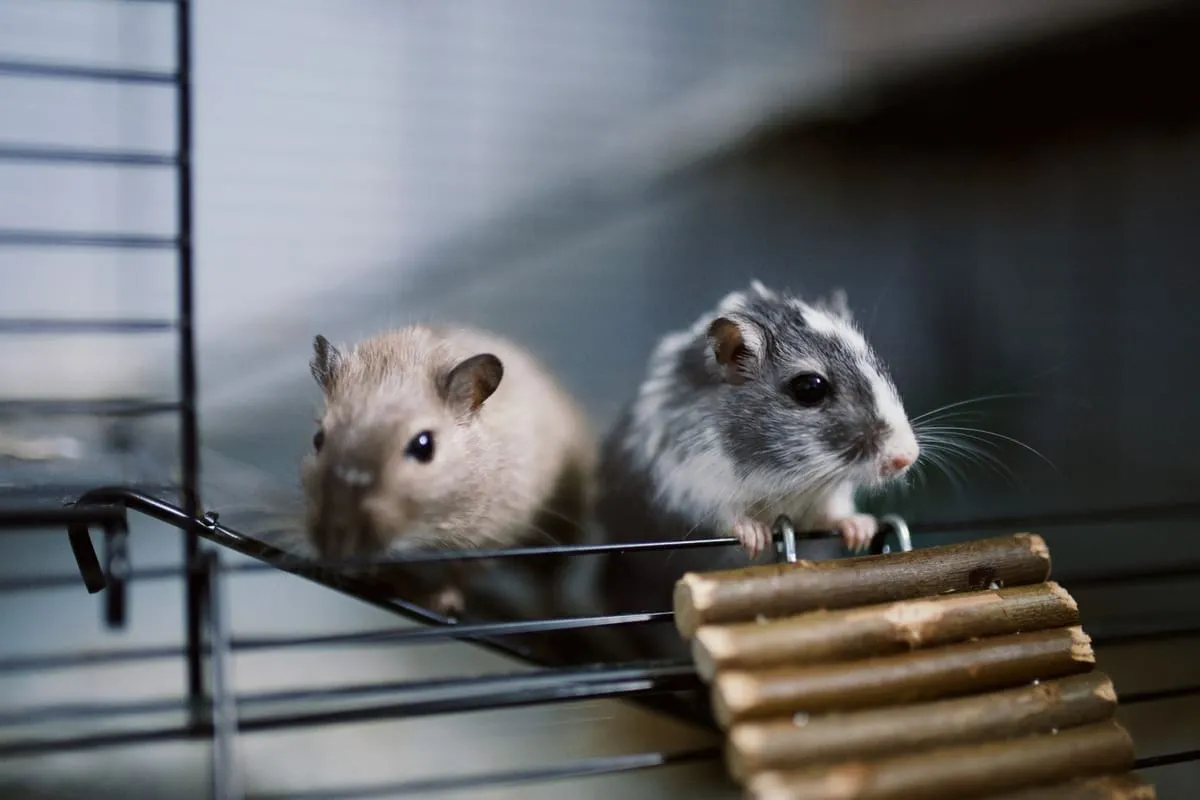
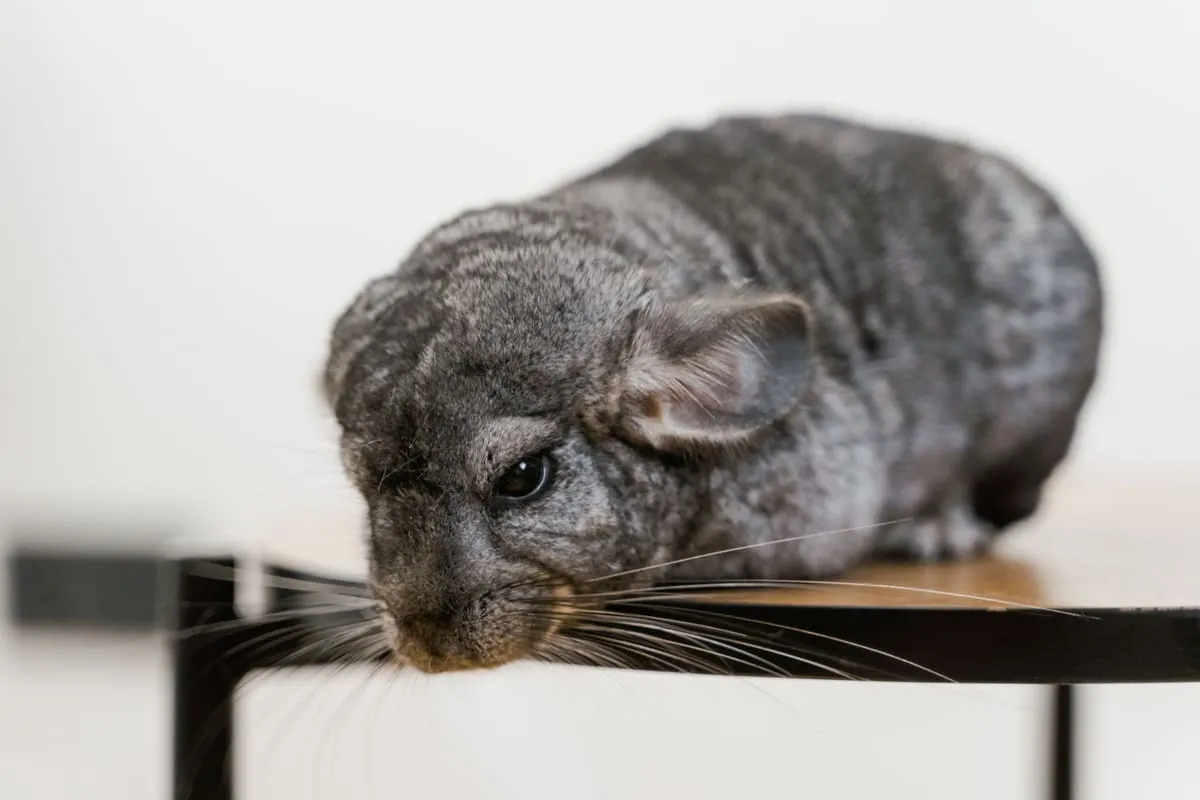
Rats carry a reputation they did not earn as pets. Say “pet rat” to someone who has never kept one and you usually get a flinch, an image built on sewers and horror films rather than the animal that is actually available at a good breeder or rescue. Anyone who has kept a well-socialised pet rat tends to describe something closer to a small, whip-smart dog than a rodent: an animal that learns its name, solves problems, and visibly enjoys your company. The honest trade-off is a short life. Here is what a rat actually needs, and the one fact every owner should sit with before bringing a pair home.
The friendliest small pet you can keep
Set the reputation aside and pet rats are, on balance, the most consistently sociable animal in the small pet world.
A rat handled gently and often from a young age typically becomes confident, curious, and genuinely affectionate, climbing onto a shoulder to investigate, taking treats with real gentleness, and settling calmly for a cuddle rather than bolting the way a rabbit or hamster often does. Many rats learn simple cues, recognise their owner’s voice, and come to the front of the cage to greet them, closer to the kind of relationship people expect from a dog than from a rodent. That temperament is not automatic, it comes from regular, calm handling, but it comes reliably, which is not something you can say for most small pets.
They need each other, not just you
However good the bond with a person becomes, it does not replace what a rat needs from its own kind.
Rats are deeply social and do poorly living alone, often becoming withdrawn, less active, and visibly flatter in mood without company of their own species. Keep them in same-sex pairs or small groups rather than singly, ideally littermates or rats introduced to each other while young, since introducing unfamiliar adult rats later takes real care and slow, supervised steps to avoid fighting.
Housing built for climbing, not just floor space
Rats are natural climbers, and a cage designed around floor area alone wastes most of what makes a rat’s day interesting.
A multi-level cage with ramps, ledges, and hammocks gives rats the vertical space they actively use, closer to how they would move through the world given the choice. Bar spacing matters too, since rats are strong and surprisingly good at squeezing through gaps that look too small. Bedding should be dust-free and unscented, paper-based bedding rather than cedar or pine shavings, since the aromatic oils in those woods are linked to respiratory irritation in rats specifically. A rat-formulated pellet diet as the base, with vegetables and the occasional treat added in, covers their nutritional needs well.
The health issues worth watching for
Two health problems come up often enough in pet rats that it is worth knowing the early signs before you ever see them.
Respiratory illness is common, often connected to dusty bedding, ammonia buildup from an infrequently cleaned cage, or poor ventilation, and shows up as sneezing, laboured or noisy breathing, or a red discharge around the eyes and nose that is actually a stress pigment called porphyrin, not blood. Female rats also have a notably high rate of mammary tumours as they age, which can grow quickly and are often felt as a lump anywhere along the body, not just near the chest, since rat mammary tissue extends much further than in most mammals.
The short life, and who a rat suits
The fact that changes how people feel about the rest of this guide is lifespan. Pet rats typically live two to three years, occasionally a little more, a fraction of what a rabbit or guinea pig offers and far shorter than most people expect from a mammal this intelligent and bonded to them. That short span is not a flaw to plan around, it is simply the deal, and it means the relationship is intense and fast rather than long, closer in shape to owning a much-loved elderly dog than a young one.
A rat suits someone who wants a genuinely interactive, trainable small pet, can commit to keeping at least two together, and can handle loving an animal hard for a couple of years rather than a decade. It suits someone willing to look past the reputation, too. Get the housing, company, and diet right, and a pair of pet rats reward the effort with a kind of daily engagement that few other small pets offer, for as long as they are with you.
Common questions
- Are pet rats actually friendly?
- Yes, more consistently than most small pets. Domesticated rats are highly social, curious, and quick to bond with the person who handles them regularly, and many learn to recognise their owner, come when called, and enjoy being held. Their reputation comes from wild rats and horror-movie stereotypes, not from how a well-socialised pet rat actually behaves.
- How long do pet rats live?
- Typically two to three years, sometimes a little longer. This is short compared with most other small pets, and it is the single biggest thing to plan for emotionally before bringing rats home, since you are signing up for a fast, intense relationship rather than a long one.
- Can you keep just one pet rat?
- You should not, by choice. Rats are highly social and can become withdrawn or depressed living alone, so keep them in same-sex pairs or small groups rather than singly. The exception is a genuine emergency where a companion has died and a suitable introduction is not immediately possible, which should be resolved as quickly as welfare allows.
- What health problems are common in pet rats?
- Respiratory infections and mammary tumours are the two to watch for. Rats are prone to chronic respiratory illness, often linked to dusty bedding or poor ventilation, and female rats in particular have a high rate of mammary tumours as they age. Laboured breathing, sneezing, a lump anywhere on the body, or a rat that stops grooming and goes hunched all need a vet who treats small mammals.