Gerbils and hamsters share a shelf at most pet shops and get talked about as interchangeable small rodents, but they are close to opposites once you look at how they actually need to live. A hamster must live alone or it will fight. A gerbil is a social animal that suffers on its own. A hamster does most of its digging in a few inches of bedding. A gerbil wants to build a real tunnel system and needs the depth to do it. Treat a gerbil like a small hamster and you will miss what makes it a genuinely rewarding pet in its own right. Here is what a gerbil actually needs, starting with the biggest and most commonly missed difference.
They need company, not solitude
The single fact most likely to catch out anyone coming from hamsters: gerbils are social animals, and a lone gerbil is not a content one.
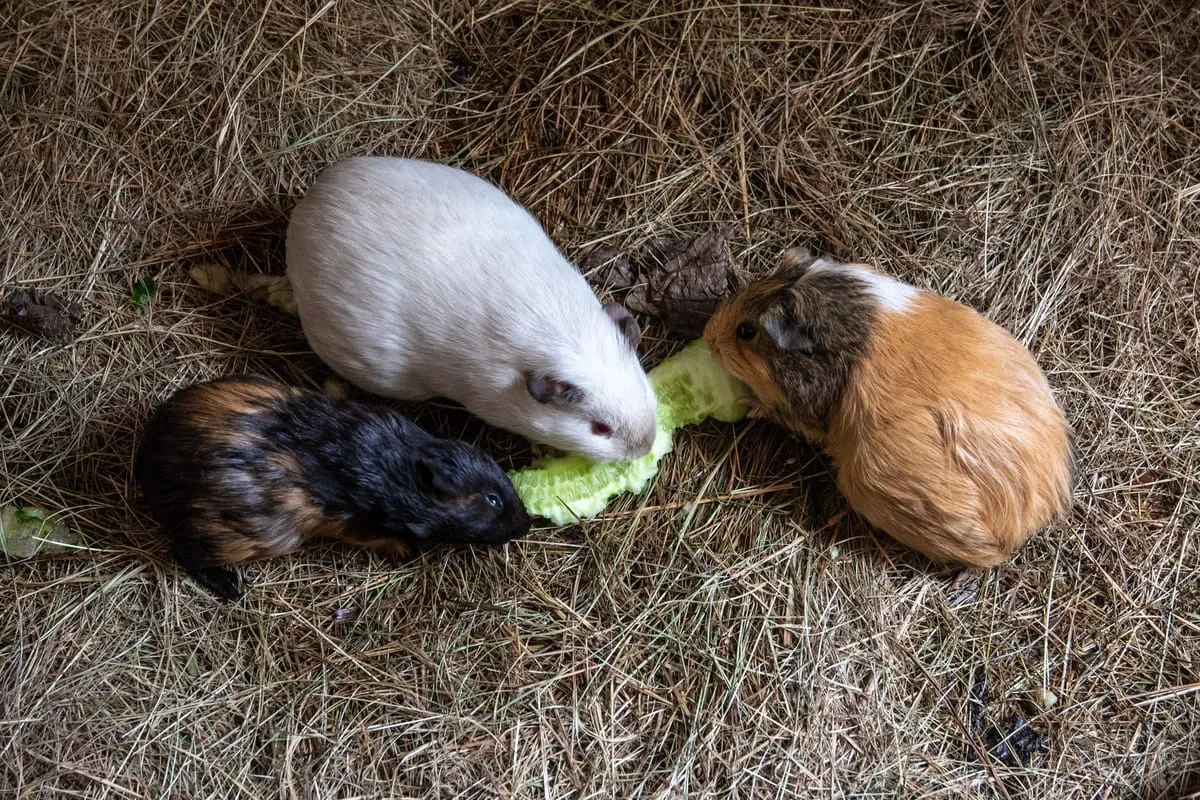
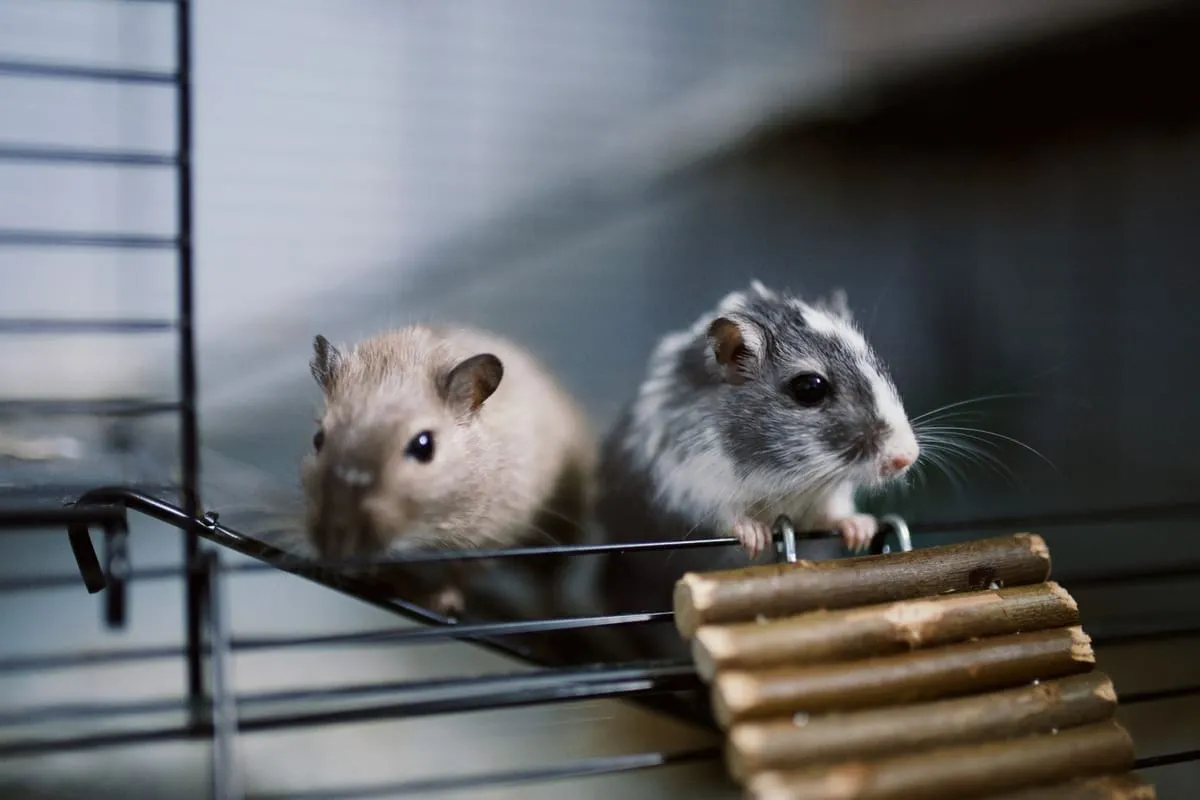
In the wild, gerbils live in family groups, digging and foraging together, and that social need does not disappear in a cage. Keep gerbils in same-sex pairs or small groups rather than alone, and the easiest way to get this right is to start with littermates or an already-bonded pair from a breeder or rescue, introduced to their permanent home together while they are young. Introducing unfamiliar adult gerbils to each other later is genuinely difficult and can lead to serious fighting, so it is far better to get the group right from the start than to try to add a companion after the fact.
Deep bedding for a real dig
The second thing that separates a properly kept gerbil from a poorly kept one is depth of substrate, and it matters more here than for almost any other small pet.
Gerbils are among the most dedicated diggers in the small pet world, building elaborate tunnel systems as a core, instinctive behaviour rather than an occasional pastime. A typical shallow layer of bedding in a standard small cage does not come close to letting a gerbil do this. Aim for a deep, diggable substrate, at least eight inches and more if your enclosure allows, so tunnels can actually hold their shape rather than collapsing the moment they are dug. A mix of paper-based bedding with some soil-like digging substrate tends to work better than loose shavings alone for holding tunnel walls together. Add a scatter of hay and a chew-safe hideout on the surface, along the same enrichment principle covered in stopping a small pet getting bored, and you give a gerbil the two things it wants most: somewhere to dig and something to gnaw.
Keep it dry
Gerbils come from arid steppe and desert regions of Mongolia and northern China, and that origin has a direct, practical consequence for how you house them.
Gerbils do not tolerate damp, humid conditions well and are prone to respiratory problems and matted, greasy fur in a cage that stays moist. This makes a well-ventilated wire-topped cage or a properly vented tank a better choice than a sealed, poorly ventilated enclosure, and it means bedding needs to be kept genuinely dry rather than left damp from water bottle drips or humid air. A shallow sand bath offered periodically, the same style of sand bath used for hamsters, helps a gerbil keep its coat in condition without introducing damp, since gerbils groom in sand rather than water just as hamsters do. If you live somewhere genuinely humid, extra ventilation is not optional, it is a real welfare requirement.
Active by day, and who they suit
Unlike the strictly nocturnal Syrian hamster, gerbils are crepuscular, busiest around dawn and dusk with plenty of activity through the rest of the day too. That makes them a more visible, more interactive pet for an owner who wants to actually see their animal awake without disrupting its schedule. They live around two to four years, a similar span to a hamster, and a good fortified seed and grain mix formulated for hamsters and gerbils covers their day-to-day diet well.
A gerbil suits someone who can provide a genuinely deep, diggable enclosure, commit to keeping at least two together rather than one alone, and keep the setup dry and well ventilated. They are less suited to anyone hoping to keep a single “starter” rodent alone, or unable to provide the depth of substrate their digging instinct needs. Get those pieces right, and a gerbil group is an active, entertaining, low-drama small pet to watch, dig, and forage its way through the day.
Common questions
- Can gerbils live alone?
- No, not by choice. Gerbils are social animals that live in groups in the wild and do best kept in same-sex pairs or small groups, ideally littermates introduced when young. This is the opposite of Syrian hamsters, which must be kept alone, and it is one of the most common mix-ups between the two.
- How deep should gerbil bedding be?
- As deep as you can reasonably manage, at least eight inches and more if the enclosure allows. Gerbils are enthusiastic diggers that build real tunnel systems, and shallow bedding in a typical small cage does not let them express that behaviour properly.
- Are gerbils nocturnal?
- No. Gerbils are crepuscular, most active at dawn and dusk with bursts of activity through the day, unlike the strictly nocturnal Syrian hamster. This makes them a more visible, more interactive pet during normal waking hours.
- How long do gerbils live?
- Typically two to four years, similar to or slightly longer than a Syrian hamster. Choosing littermates or a bonded pair from the start avoids the stress of introducing a new companion later in a gerbil's life.