Every reptile keeper eventually finds a patch of dull, stuck skin that did not come off with the rest of the shed, and it looks worse than it usually is. Shedding, properly called ecdysis, is a completely normal part of a reptile’s life, but when it goes wrong it is nearly always the enclosure telling you something, not the animal getting sick. Knowing what causes a bad shed and how to help safely gets most reptiles back on track without a vet visit.
Why shedding goes wrong
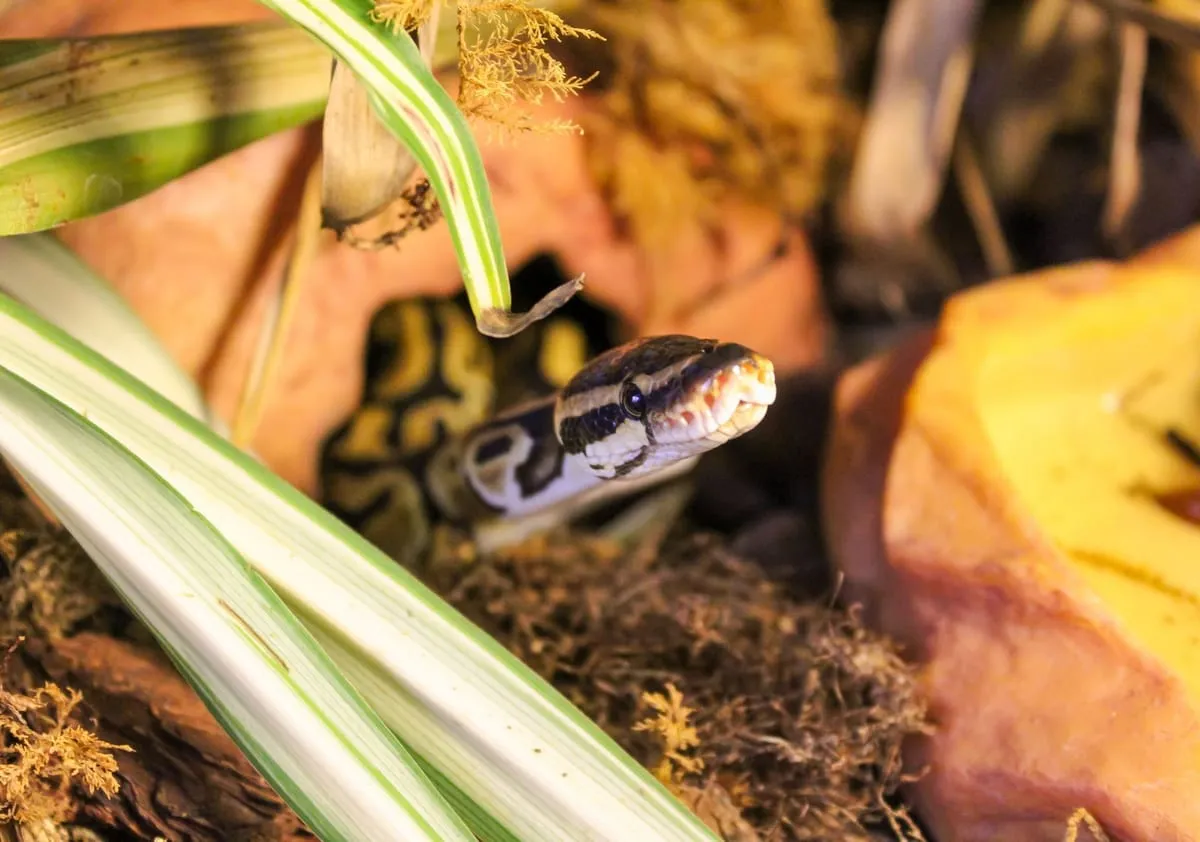
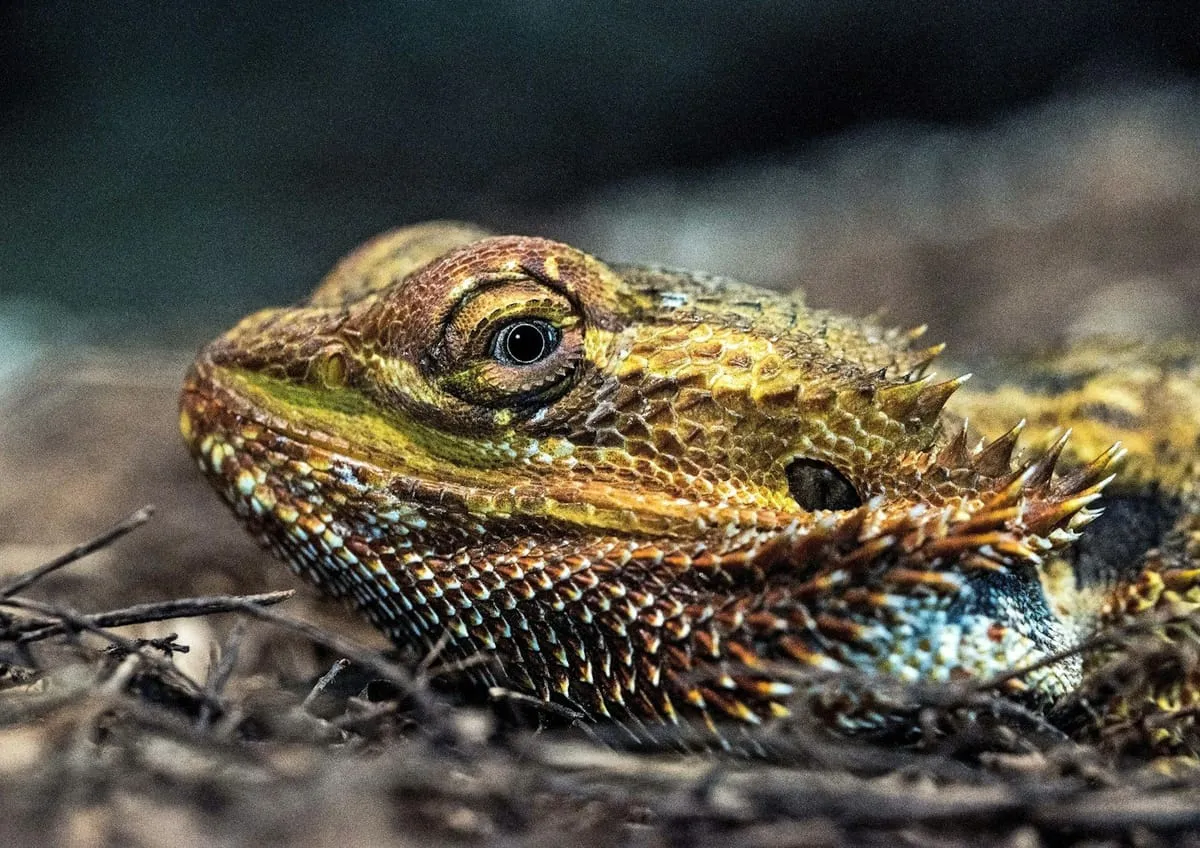
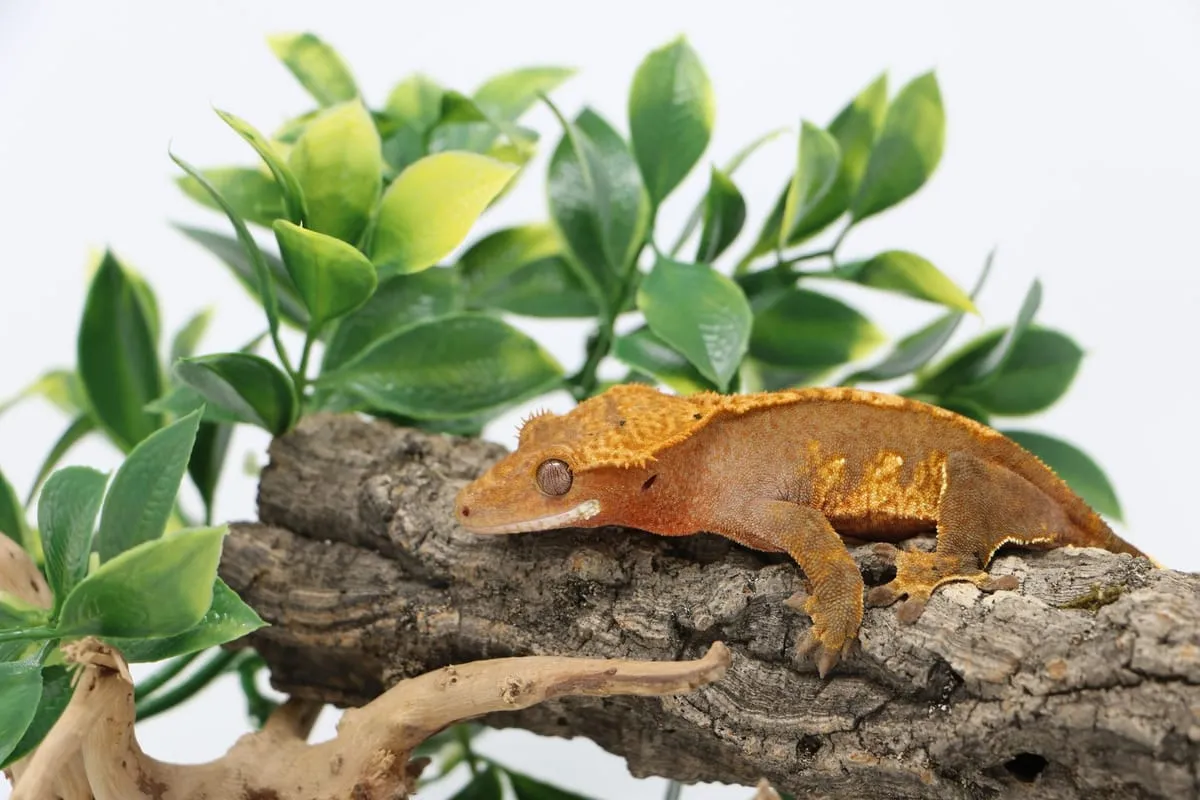
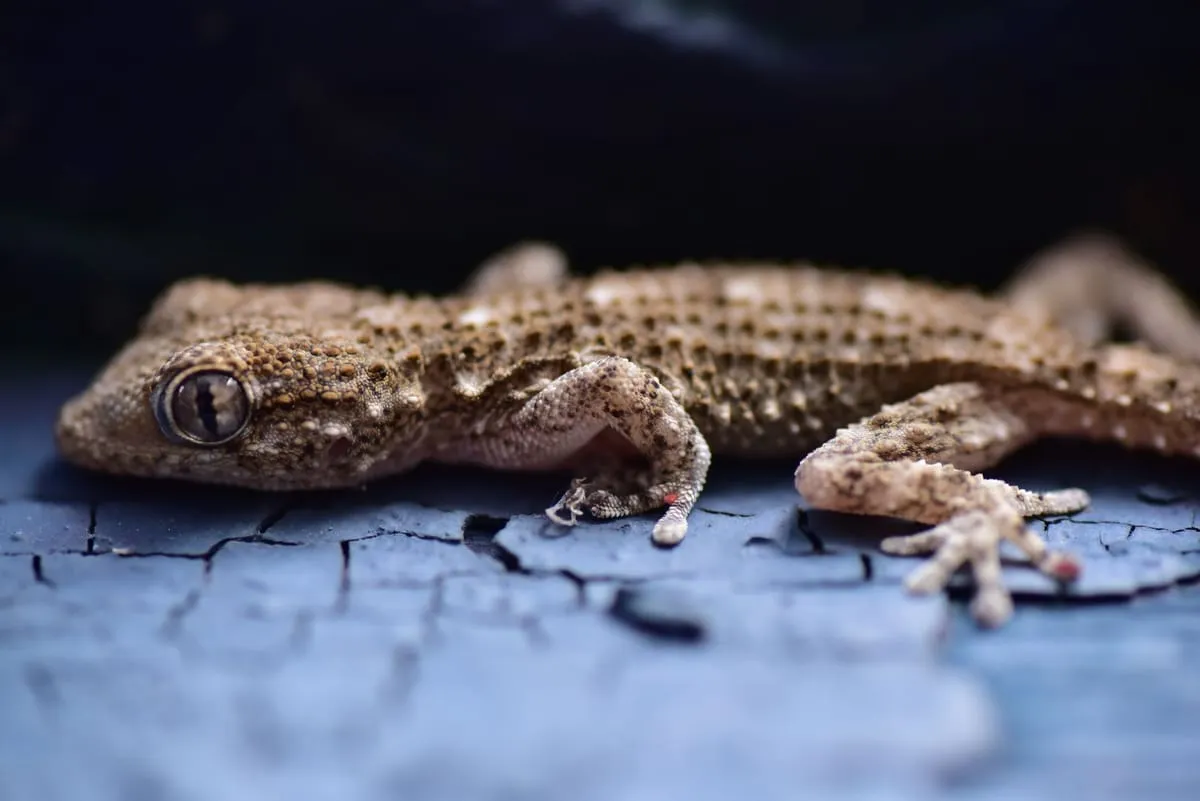
Snakes typically shed in one continuous piece, while most lizards and geckos shed in patches over a few days, and either pattern is normal. A shed goes wrong, called dysecdysis, when pieces of old skin fail to separate and lift cleanly, leaving dry, greyish patches stuck to the body, often around the tail, toes, and the top of the head.
The single most common cause is humidity that is too low for the species. Old skin needs enough moisture to loosen and lift away in one go, and an enclosure that is drier than the species needs produces a patchy, incomplete shed almost every time. This is the first thing to check, the same as it is with a reptile that has gone off its food.
The other causes worth ruling out
If humidity is genuinely correct for the species and sheds are still coming out patchy, a handful of other things are worth working through. Dehydration plays into the same mechanism as low humidity, since a reptile that is not drinking or soaking enough has less moisture to work with from the inside as well as the outside, so check that fresh water is available and being used. A lack of rough surfaces, branches, rocks, or textured decor to rub and catch loosening skin against, can leave a reptile with nothing to help work a stubborn patch free, particularly around the head. Mites are another common culprit and are easy to miss at first: tiny moving specks around the eyes or in water dishes, along with a reptile that rubs and soaks more than usual, point to mites rather than a straightforward humidity problem, and they need treating in their own right. Old scarring or a past injury can also disrupt shedding at that specific spot for the rest of the animal’s life, which is usually nothing to worry about once you know that is what it is.
How to help a stuck shed
The fix for most patchy sheds is the same combination: raise the humidity and offer a soak, then let the reptile do the rest itself.
Increase humidity for a few days, using more frequent misting, a humid hide, or a fogger or misting system for species that need it, and check the gauge to confirm it has actually moved rather than assuming it has. A shallow, lukewarm soak, water no deeper than the reptile’s chin so it cannot struggle, given for ten to fifteen minutes, will often loosen stuck patches enough that they lift away on their own with gentle contact against a rough surface afterwards.
A humidity gauge that actually measures the enclosure rather than the room, and a fogger or humid hide to give a reliable damp spot, are the basic tools most keepers reach for once they have had one bad shed and want to stop having a second.
When it really is a vet job
Most stuck shed resolves with humidity and a soak over a few days, but two specific patterns are worth taking seriously rather than persisting with home fixes indefinitely.
Persistent poor sheds despite genuinely correct humidity, alongside signs of mites, weight loss, or a reptile that seems unwell in other ways, are also worth a vet visit, since at that point something other than routine husbandry may be at play.
Shedding trouble unsettles new keepers more than almost anything else because it looks so visibly wrong, but in the great majority of cases the fix is patience, moisture, and time rather than intervention. Get the humidity right for your species, offer a soak when a shed looks stuck, and resist the urge to peel. Save the vet visit for shed retained around the extremities or the eyes that will not shift, which is the genuine minority. For the other reason reptiles worry new keepers, see our guide to why won’t my reptile eat, and for the wider picture of what your reptile’s body language means, see what your reptile’s behaviour is telling you.
Common questions
- Why does my reptile have patches of stuck shed?
- The most common cause is humidity that is too low for the species, since a reptile needs enough moisture in the air to loosen old skin cleanly. Dehydration, a lack of rough surfaces to help rub the shed off, mites, and old scarring can also cause patchy or incomplete sheds.
- Is it OK to peel off stuck shed myself?
- Never pull or peel dry, stuck shed off a reptile. It can tear healthy skin underneath and cause pain or injury. Instead raise the humidity and offer a warm, shallow soak to loosen it, and only ever help remove skin that is already loose and lifting on its own.
- Why is stuck shed on the tail or toes serious?
- A ring of retained shed around a tail tip or toe can act like a tight band as the reptile grows, cutting off circulation to the tissue beyond it. Left long enough this can cause real, permanent damage, which is why shed stuck around the extremities needs prompt attention rather than a wait-and-see approach.
- What are retained eye caps and do they need a vet?
- The eye cap, or spectacle, is the clear scale that covers a reptile's eye, and it should come off in one piece during a normal shed. If it stays on, it can cloud vision and trap debris underneath. One retained cap after an otherwise good shed can sometimes come off with the next one, but a cap that stays stuck, or repeated retained caps, are worth an exotics vet visit rather than being left.