A reptile breathing with an open mouth, a faint clicking sound, or a bubble of mucus at the nostril are not things to wait out. Respiratory infections are one of the more common serious illnesses in captive reptiles, and they are also one of the more preventable ones, because the usual root cause sits in the enclosure rather than in bad luck. Knowing what to look for, and what almost always caused it, gets a sick reptile to the vet faster and helps you stop it happening again.
What a respiratory infection looks like
The signs cluster around the same thing: breathing that suddenly takes visible or audible effort.
A healthy reptile breathes silently and with its mouth closed. A reptile with a respiratory infection may wheeze, click, or make a soft bubbling sound as air moves through inflamed, mucus-lined airways, and it may hold its mouth open to help itself breathe, sometimes stretching its neck up in what keepers call “star-gazing” while doing it. You might see mucus or bubbles around the nostrils or the mouth, and the reptile is often less active than usual, spending more time in one spot or near the warmest part of the enclosure. Any one of these on its own is worth watching closely, and more than one together is worth a call to an exotics vet.
Why it happens
Almost every case traces back to the enclosure rather than to catching something out of nowhere.
Humidity that sits too low for the species is the biggest single cause, since dry airways are far more vulnerable to infection, and it catches out species like ball pythons and chameleons that need noticeably higher humidity than a keeper might expect from a “desert-adjacent” looking snake or lizard. A cold enclosure, or one that swings between hot and cold through the day, works against a reptile the same way: as ectotherms, reptiles rely on external heat to run their immune system properly, and an animal that is too cool cannot fight off opportunistic bacteria as well as one kept at the correct temperature. The reverse problem, a damp, poorly ventilated enclosure with stagnant air, can cause the same outcome from the other direction. Stress, a recent move, or being housed with an already sick reptile can tip things further.
Species differences worth knowing
Not every reptile faces the same risk in the same way, and it is worth knowing where your species sits.
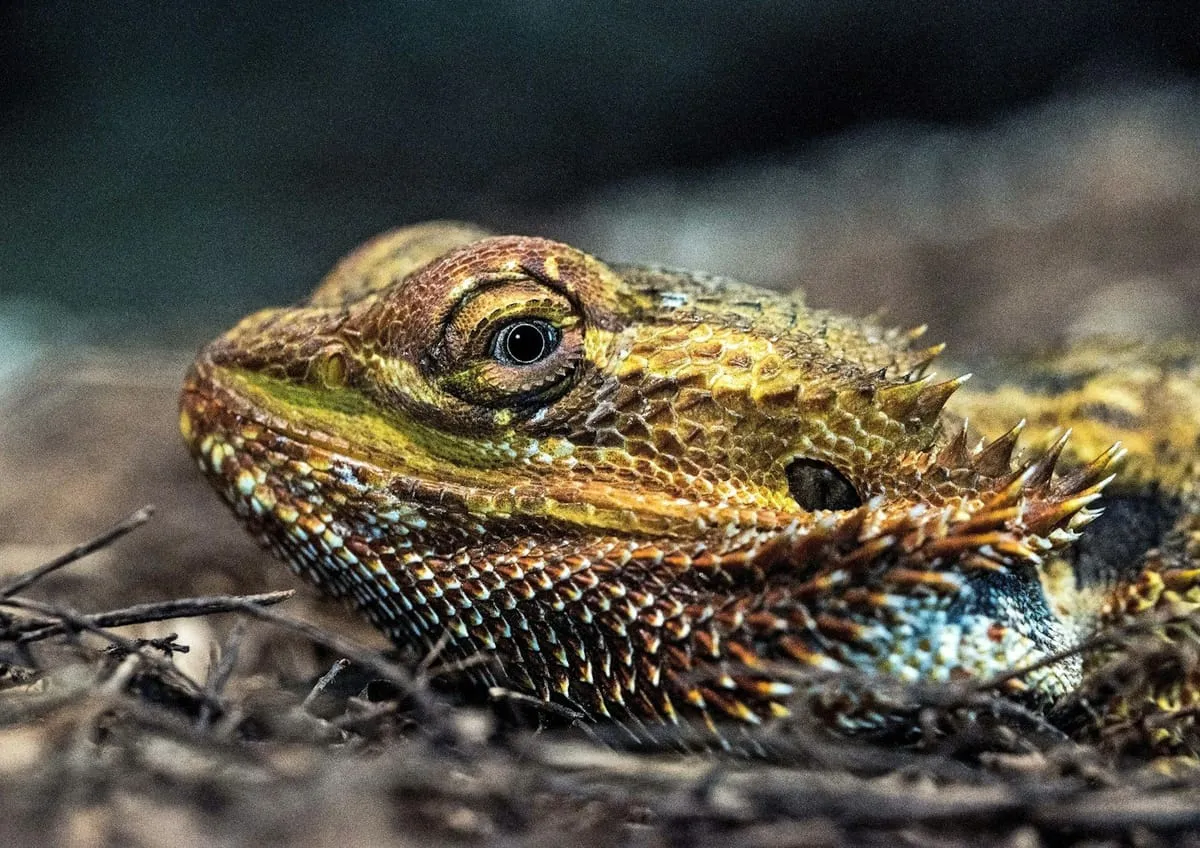
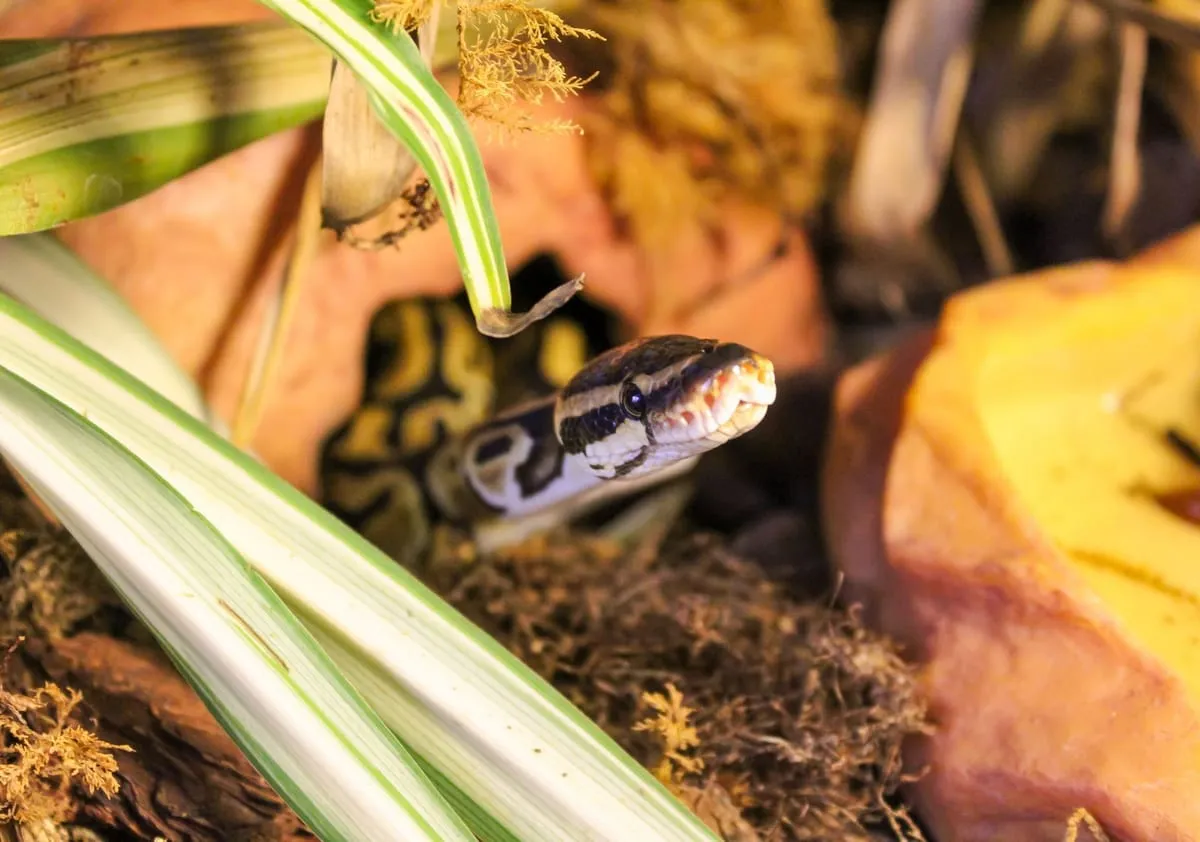
Snakes, especially pythons and boas kept in enclosures that run drier than they need, are frequently affected, and a ball python in particular is a species that gets quietly underhumidified far more often than owners realise, since it looks like a desert animal but is not one. Chameleons are notably prone to respiratory infections when housed in a stagnant, poorly ventilated enclosure or one that drops too cold overnight, and they decline quickly once sick. Bearded dragons and other more arid-adapted lizards can still develop respiratory infections, usually tied to an enclosure running too cold rather than too dry. Aquatic and semi-aquatic species like turtles get a version of the same problem when the basking area is not properly dry and warm, since a shell and lungs that never get to dry out fully invite infection.
When to see an exotics vet
While you arrange the visit, correct any obvious humidity or temperature problem so the reptile is not fighting both the infection and a poor environment at once, keep handling to a minimum to reduce stress, and isolate the reptile if it shares an enclosure, air space, or handling routine with any other reptiles. A reliable humidifier or fogger is a genuinely useful piece of kit for species that need consistently raised humidity, both to help prevent this happening and to support the right recovery environment once a vet has treated the infection, though it is a husbandry tool, not a treatment in itself.
Most respiratory infections in reptiles start the same way, with humidity or temperature sitting outside what the species actually needs for long enough that its defences give out. Get those two things measured and correct rather than guessed, watch for the early signs of laboured or noisy breathing, and treat any of them as a same-week vet visit rather than something to monitor for a month. Reptiles that are otherwise well cared for and get treated early generally recover well, which makes this one of the more frustrating illnesses to see, because so much of it was preventable from the start.
Common questions
- What does a reptile respiratory infection sound like?
- A soft clicking, wheezing, or bubbling sound as the reptile breathes is the classic giveaway, sometimes with the mouth held open to help air move. A healthy reptile breathes silently, so any audible noise is worth taking seriously rather than waiting to see if it passes.
- Can I treat a reptile respiratory infection at home?
- No. Once the signs are there, it needs an exotics vet, usually antibiotics chosen for the specific bacteria involved, since guessing wrong or under-dosing lets it get worse or become harder to treat. Correcting the humidity and temperature helps prevent it happening and supports recovery afterwards, but it does not clear an infection that has already taken hold.
- What causes respiratory infections in reptiles?
- Low humidity, an enclosure that is too cold, or a big temperature swing are the usual root causes, since all three stress a reptile's immune system and let opportunistic bacteria take hold. A poorly ventilated, damp enclosure can do the same in the other direction. Stress and a recent house move can also be a factor.
- Is a respiratory infection contagious to other reptiles?
- It can spread between reptiles kept in the same or connected setups, particularly if they share air space, water, or handling without washing your hands between them. Isolate a sick reptile from any others while it is unwell and being treated, and mention your full setup to the vet.