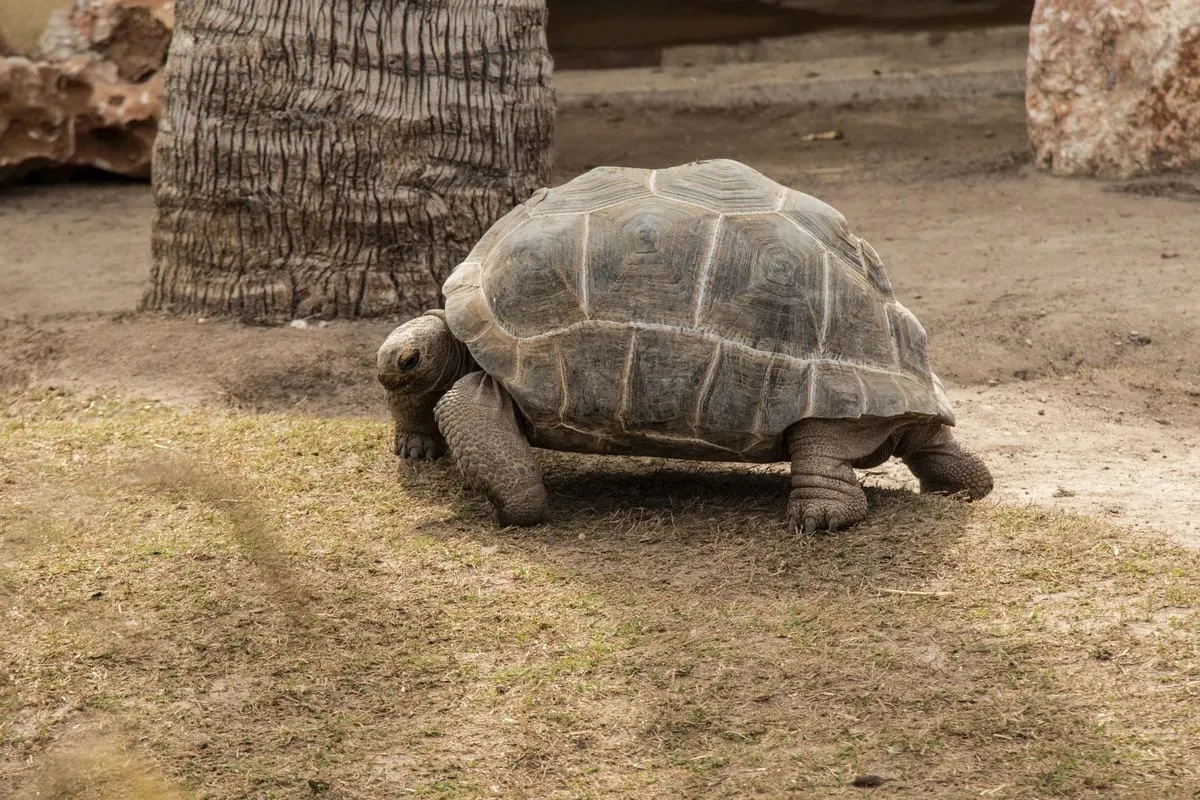
A tortoise is one of the most recognisable pet reptiles there is, slow, steady, and oddly endearing, and it is easy to see why people fall for one. What is less obvious from the outside is how different keeping a tortoise well is from keeping almost any other reptile, starting with the fact that the tortoise you buy today may still be alive in a hundred years. This is a guide to what a tortoise actually needs, and to deciding honestly whether you are the right owner for a pet that measures its life in generations rather than years.
The commitment that makes tortoises different
Here is the fact that has to come first, because it changes everything else about the decision: many commonly kept tortoise species routinely live 50 to 100 years or more.
A bearded dragon or a leopard gecko is a decade-long commitment. A tortoise is a multi-generational one, and a hatchling bought on impulse can easily outlive the person who bought it, which means a real plan for who takes over its care matters far more than it does for almost any other pet. This is not a reason to avoid tortoises, plenty of families keep one across generations and consider it part of the household, but it is a reason to go in with open eyes rather than falling for a small, appealing hatchling without thinking about the fifty years after that.
Housing, and why outdoors usually beats indoors
Tortoise housing looks different from most reptile setups, and getting this part wrong is one of the most common beginner mistakes.
Hatchlings and juveniles are often started in a secure, correctly heated indoor table, a shallow, open-topped enclosure rather than a tall glass tank, since tortoises need floor space to walk and graze far more than they need height to climb. As they grow, most temperate pet tortoise species genuinely do better with real outdoor access, a secure, predator-proof and escape-proof pen with shelter, shade, and room to roam, because natural sunlight and space to move and graze are difficult to replicate indoors at any real scale. Where outdoor access is not possible year-round, a large, well-equipped indoor setup with strong UVB lighting and a proper heat gradient is the fallback, following the same basking-reptile principles covered in why UVB and heat matter so much, but it is a fallback, not the ideal.
An adult tortoise spending its entire life in a small indoor tank is one of the most common ways pet tortoises end up under-housed, simply because their space needs are easy to underestimate next to a lizard of similar body length.
Feeding a grazer, not an omnivore
Diet is where tortoises part ways most clearly from lizards like the bearded dragon, and it trips up a lot of new keepers who assume all reptiles eat roughly the same way.
The great majority of commonly kept pet tortoise species are grazing herbivores, built to eat a high-fibre diet of weeds, leafy greens, and grasses, not the insect-and-vegetable mix that suits an omnivorous lizard, as set out for insect-eating reptiles in feeding your reptile the right diet and supplements. Fruit should be an occasional treat at most rather than a diet staple, since a diet too high in sugar and too low in fibre is linked to real health problems over time. A fibre-rich grassland tortoise food or tortoise diet pellet, moistened and mixed through fresh greens, is a practical way to get that fibre right at home, and calcium dusting on food remains as important for a herbivorous tortoise as it is for any other reptile.
Shell health and the brumation question
Two things are worth understanding early, because both are easy to get wrong without knowing it.
The shell is living bone, not a shield, and it needs the same UVB and calcium foundation as any reptile’s skeleton to grow correctly, tracked with a thermometer and humidity gauge alongside a basking heat source to keep the setup in range. Pyramiding, where the shell grows in raised, bumpy segments instead of smoothly, usually points to a diet too rich in protein, too little UVB, or humidity that is off for the species, and it is worth correcting husbandry at the first sign rather than waiting for it to worsen. Some temperate species also brumate, a reptile form of hibernation, over winter, but this only ever belongs to a healthy animal of a species that actually does it, done correctly, since an unwell tortoise or an incorrectly managed brumation can kill.
Who a tortoise suits
Given everything above, a tortoise suits a keeper thinking in decades rather than years, with the outdoor space or the large, well-equipped indoor setup to match, and the patience for a pet that grazes, plods, and generally does not interact the way a bearded dragon or a snake does. It is a poor fit for anyone drawn in by a cute hatchling without having researched the adult size, the lifespan, and the succession plan that comes with it, or anyone hoping for a low-space, low-commitment reptile.
Get the space, the diet, and the UVB right, and a tortoise rewards its keeper with one of the calmest, steadiest, and longest-lived companions in the pet world, quite possibly one that is still being cared for by someone not yet born.
Common questions
- How long do pet tortoises live?
- Many popular pet species, Russian, Greek, and Hermann's tortoises among them, commonly live 50 to 100 years or longer with good care. Some larger species live even longer. This is the single biggest thing that separates a tortoise from almost any other pet, and it is worth planning who will care for it decades from now, not just this year.
- What do tortoises eat?
- The great majority of commonly kept pet tortoises are grazing herbivores, eating mostly weeds, leafy greens, and grasses, with fruit kept to an occasional treat rather than a regular part of the diet, since too much sugar and too little fibre causes real health problems over time. A fibre-rich, calcium-dusted diet close to what the species grazes on in the wild is the goal.
- Can tortoises live indoors?
- Hatchlings and juveniles are often started indoors in a secure, correctly heated table setup, but most temperate tortoise species do best with genuine outdoor access, weather and predators permitting, since natural sunlight and space to graze and roam beat any indoor setup. An adult tortoise kept permanently in a small indoor tank is usually under-housed.
- Do all tortoises hibernate?
- Some temperate species do brumate, a reptile version of hibernation, over winter, but it has to be done correctly and only with a healthy animal, since an unwell tortoise can die during an incorrectly managed brumation. This is a species-specific, health-dependent decision, and it is worth discussing with an exotics vet before attempting it rather than assuming your tortoise should hibernate.