Yes, dogs can eat mango, and ripe mango flesh is a safe, even nutritious, treat in small amounts. The two things that actually cause trouble are not the fruit itself. It is the tough skin, which is hard to digest, and the large hard pit in the middle, which is a genuine choking and blockage risk. Peel it, cut around the pit, and mango becomes an easy, popular warm-weather treat.
The short answer
Peeled, ripe mango flesh, cut into small pieces with the pit removed, is fine for most dogs as an occasional treat. Mango is naturally rich in vitamins A, C, E and B6 along with fiber and beta-carotene, but it is also one of the sweeter fruits you can offer, more sugar per bite than an apple. Skip it, or check with your vet first, if your dog has diabetes, pancreatitis, or is already overweight.
How much is safe
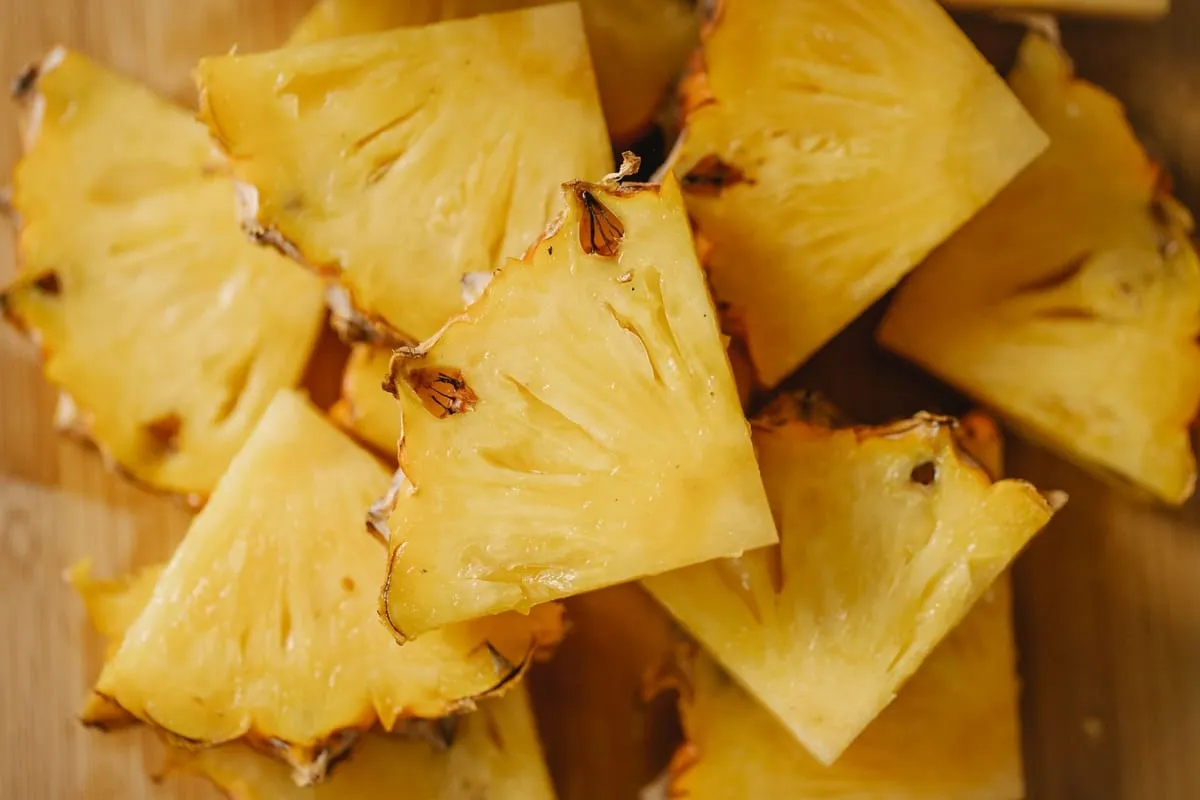
A couple of small cubes for a medium or large dog, and less still for a small dog, is a sensible amount. Mango’s sugar content is closer to pineapple than to something like watermelon, so it earns a smaller, less frequent portion even though the flesh itself is entirely safe. The same rule that applies to any treat applies here: roughly a tenth of what your dog eats in a day, at most, with the rest of their diet coming from a complete, balanced dog food. Mango is a garnish, not a meal component.
How to serve it
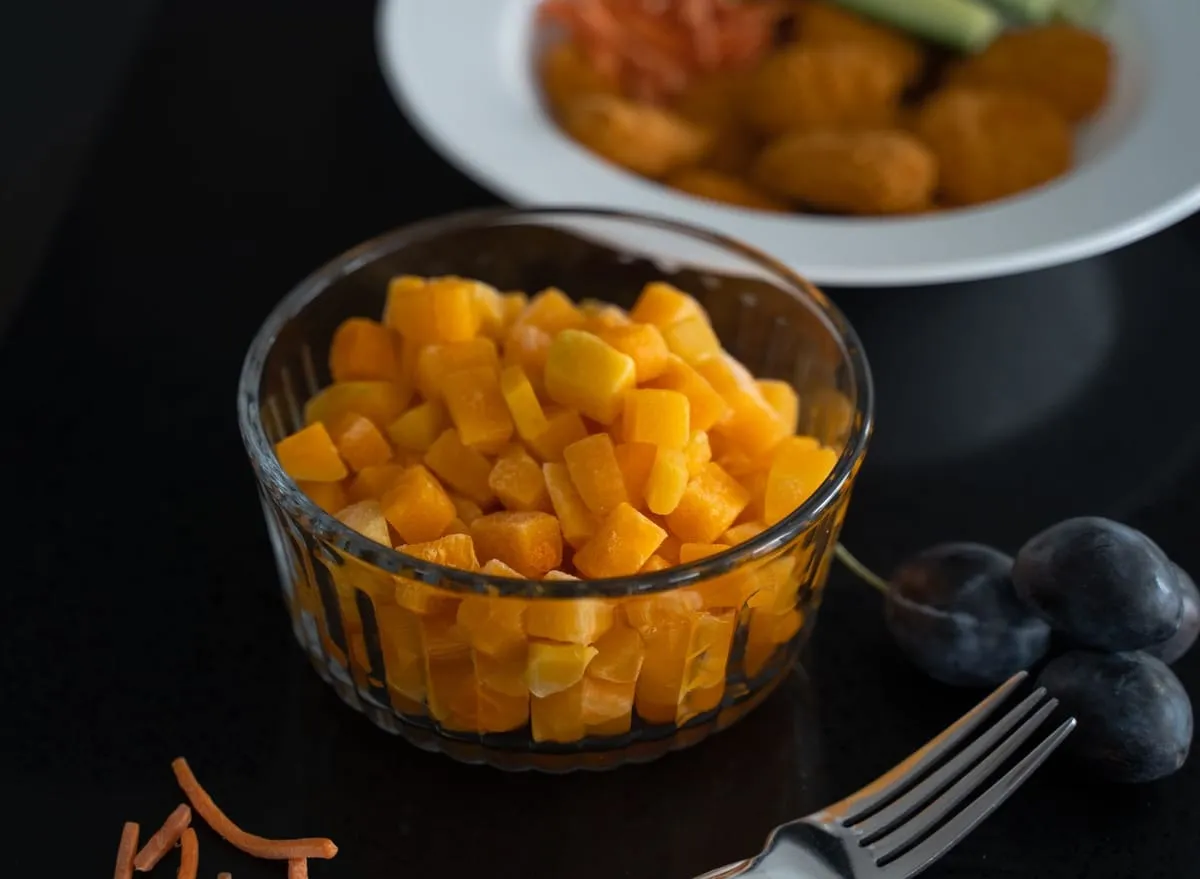
Peel the mango fully, the way you would for yourself, and slice the flesh away from the flat, fibrous pit in the middle rather than trying to cut through it. What you are left with, plain ripe mango flesh, is what you offer, cut into pieces sized so there is no choking risk for your dog. Fresh is best. Frozen cubes make a good hot-day treat and hold their texture well, similar to frozen watermelon or pineapple chunks, and a few smeared onto a lick mat and frozen turns them into a slower, longer-lasting treat instead of something gone in two bites.
When it becomes a problem
The pit is the main hazard with mango, not the fruit. It is large enough to be a choking risk on its own and hard enough that, if swallowed, it can cause a genuine intestinal blockage requiring a vet visit, sometimes surgery. The skin is the secondary concern, tough to digest and occasionally irritating to a sensitive dog’s mouth or gut because of a compound in the same family as the one found in poison ivy. Beyond those two parts, the flesh’s main risk is simply too much sugar at once, which can cause an upset stomach or loose stools in any dog given a large amount, and matters more for dogs with diabetes, pancreatitis, or existing weight problems.
What to do if they had too much
A dog that gets into more mango flesh than intended will most likely have a mild, temporary upset stomach or looser stools that settle within a day with water and a normal light meal. Keep an eye on them. Call your vet if you see repeated vomiting, diarrhea that has not settled after a day, obvious abdominal pain, or lethargy, and treat it as urgent rather than watch-and-wait if you know or suspect your dog swallowed the pit, since the signs of a blockage, persistent vomiting, straining, a bloated or painful belly, refusing food, can take a little time to show and get more serious the longer they go untreated.
So, can dogs eat mango? Yes, as an occasional treat, ripe, peeled, cut into small pieces, with the pit safely out of reach. For where mango sits against the rest of what dogs can safely eat, see our guide to safe and toxic foods for dogs, and for more fruit-by-fruit answers, our guides to pineapple, watermelon and bananas.
Common questions
- Can dogs eat mango skin?
- Better not to. Mango skin is not sharply toxic, but it is tough and fibrous, harder for a dog to digest than the flesh, and it contains a compound related to the one in poison ivy that occasionally irritates a sensitive dog's mouth or stomach. Peeling the mango before offering it removes the risk entirely for almost no effort.
- Can dogs eat dried mango?
- Only if it is plain with nothing added, and even then treat it as a rare, tiny extra rather than a swap for fresh. Most dried mango sold for people carries added sugar and a sticky, chewy texture, which packs far more sugar per bite than fresh fruit and is more of a choking risk to boot. A couple of small cubes of fresh mango make a better treat than a piece of dried.
- Is the mango pit actually dangerous?
- Yes, and it is the main reason to be careful with mango rather than the flesh itself. The pit is large, hard, and roughly the shape and size to lodge in a dog's throat or gut, so it is a genuine choking and blockage risk, especially for smaller dogs. Keep it away from your dog entirely, and call your vet straight away if you think one has been swallowed.
- Can puppies or dogs with diabetes have mango?
- A puppy can have a small piece of ripe mango flesh as an occasional treat, the same rules as an adult dog just apply in smaller portions. A dog with diabetes, pancreatitis, or a weight problem is better off skipping mango altogether, since it is one of the sweeter fruits on the safe list and the sugar adds up faster than it does with something like apple or watermelon.