A cat that is drinking more, using the litter tray more, and somehow losing weight while still eating well is showing the textbook pattern of feline diabetes. It is one of the more common hormonal diseases vets see in cats, and one that owners often put down to ageing or a fussy appetite phase before the pieces click together. Here is what actually shows up, how it differs from the other big thirst-and-weight condition in cats, and what treatment realistically looks like.
What diabetes does inside a cat
Diabetes means a cat’s body cannot get glucose out of the blood and into its cells properly, either because it does not produce enough insulin or because its tissues stop responding to the insulin it does produce, which is the more common pattern in cats and looks a lot like type 2 diabetes in people. The glucose that should be fuelling the body instead builds up in the blood and spills into the urine, dragging water out with it. That single mechanism explains almost every sign on this list, from the thirst to the weight loss to the eventual danger of ketoacidosis if it goes uncaught.
The early signs: drinking, urinating, and eating more but losing weight
The combination that gives diabetes away is a cat drinking and urinating more while its weight drops, even though its appetite is normal or increased.
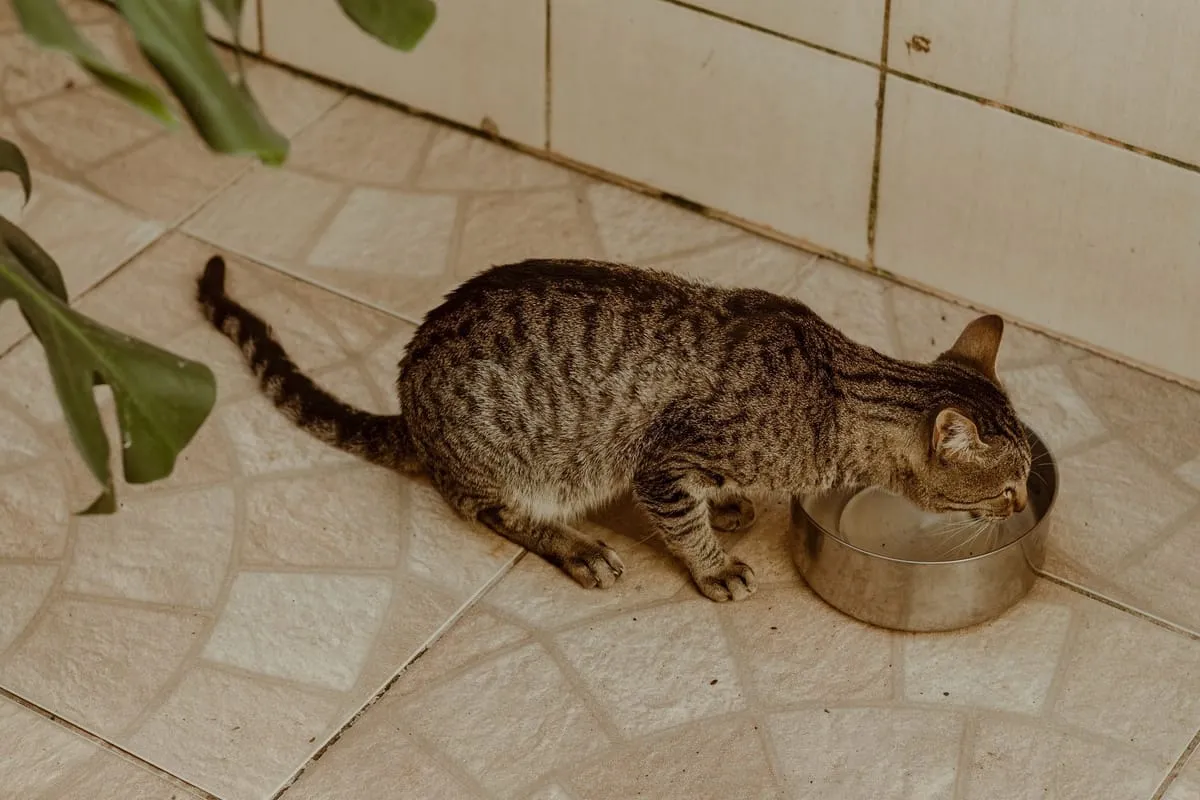
Owners usually notice the water bowl emptying faster, more frequent or larger clumps in the litter tray, and occasionally a cat drinking from unusual places like a running tap. What makes diabetes stand out from a simple dietary issue is the appetite staying good, sometimes ravenous, while the cat visibly loses condition along its spine and hips. The body is starving at a cellular level even though food is going in, because the glucose from that food cannot get where it is needed.
Signs that show up as it progresses
Left undiagnosed, the signs move beyond thirst and weight loss into ones that are harder to miss and more urgent to act on.
A coat that looks greasy, dull or poorly groomed is common, since a cat that feels unwell grooms itself less. Some diabetic cats develop a distinctive flat-footed, dropped-hock walk as high blood sugar damages the nerves in their back legs, called diabetic neuropathy, which usually improves once the diabetes is under control. Lethargy and general disinterest tend to build alongside the physical signs. Weight that started as gradual loss can become sharp and obvious over a matter of weeks once the disease has been running unchecked for a while.
Who is more at risk
Diabetes is not evenly distributed across the cat population, and knowing where the risk sits helps explain why it is worth watching for in some cats more than others.
Overweight cats carry by far the biggest risk, since excess body fat is directly linked to the insulin resistance that drives most feline diabetes, which is one of several good reasons keeping a cat at a healthy weight matters well beyond how they look. Middle-aged and older cats, males, and certain breeds including Burmese cats also show up more often in the numbers. A cat carrying several of these risk factors at once is exactly the cat worth watching for early thirst and weight changes rather than waiting for a routine check to catch it.
How it gets diagnosed
Diagnosis rests on blood and urine testing, not on the pattern of signs alone, because stress alone can temporarily raise a cat’s blood glucose and muddy a single reading.
A vet will usually check a blood glucose level alongside a urine sample looking for glucose spilling into it, and often runs a fructosamine test, which reflects average blood sugar over the previous couple of weeks and is not thrown off by a stressed trip to the clinic the way a single glucose reading can be. Bloodwork also screens for other conditions, kidney disease among them, that can overlap with or complicate diabetes in an older cat.
What management actually looks like
A diabetes diagnosis is not the end of a normal life for a cat, but it does mean a real routine, usually built around twice-daily insulin injections given at home, which sounds far more daunting before you have done it than after.
Diet matters almost as much as the insulin itself. Vets generally move diabetic cats onto a low-carbohydrate, high-protein diet, since carbohydrate is what drives the glucose spikes insulin then has to manage, and wet food tends to fit that profile far more easily than most dry kibble. Weight loss, done gradually and under vet guidance, helps overweight cats respond better to insulin and is sometimes enough on its own to bring a cat into remission when combined with the right diet. Home monitoring, either watching for the drinking and appetite signs settling back to normal or a vet-taught glucose curve, tracks whether the current insulin dose is right, since needs can change over time.
Diabetes in cats is manageable, and plenty of cats live full, comfortable lives on a stable insulin routine, some even coming off insulin entirely once their weight and diet are sorted. The signs to hold onto are the combination, not any one of them alone: a cat drinking more, using the tray more, and losing weight despite eating normally or more than usual. That pattern, in an overweight or older cat especially, is worth a vet visit and bloodwork rather than a wait to see if it settles on its own.
Common questions
- What are the first signs of diabetes in a cat?
- Drinking noticeably more water and producing more urine, alongside a normal or even increased appetite, is usually the first pattern owners spot. It is easy to dismiss at first, since the cat still seems hungry and interested in food, which is exactly why it gets missed until weight loss makes the bigger picture obvious.
- How is feline diabetes different from kidney disease?
- Both cause increased thirst and urination, which is what makes them easy to confuse from the outside. The difference shows up around food and weight. A diabetic cat is usually eating well or more than usual while losing weight, because it cannot use the glucose in its blood properly. A cat with kidney disease more often eats less as it declines. A vet tells the two apart with blood and urine tests, not by the pattern alone, so either combination needs a proper workup rather than a guess.
- Can a cat recover from diabetes?
- Some cats, particularly those caught early and started on insulin alongside a low-carbohydrate diet and weight loss if needed, go into what vets call remission, where they no longer need insulin. It is not guaranteed and cannot be predicted for a given cat, but it is common enough that vets aim for it rather than assuming diabetes is lifelong from day one. Cats that do not reach remission still do well long term with consistent management.
- Is diabetes in cats an emergency?
- Established, managed diabetes is not, but an undiagnosed or poorly controlled case can tip into diabetic ketoacidosis, which is. Vomiting, lethargy, wobbliness, rapid breathing or a sweet or acetone-like smell on the breath in a cat with known or suspected diabetes needs same-day emergency vet care.