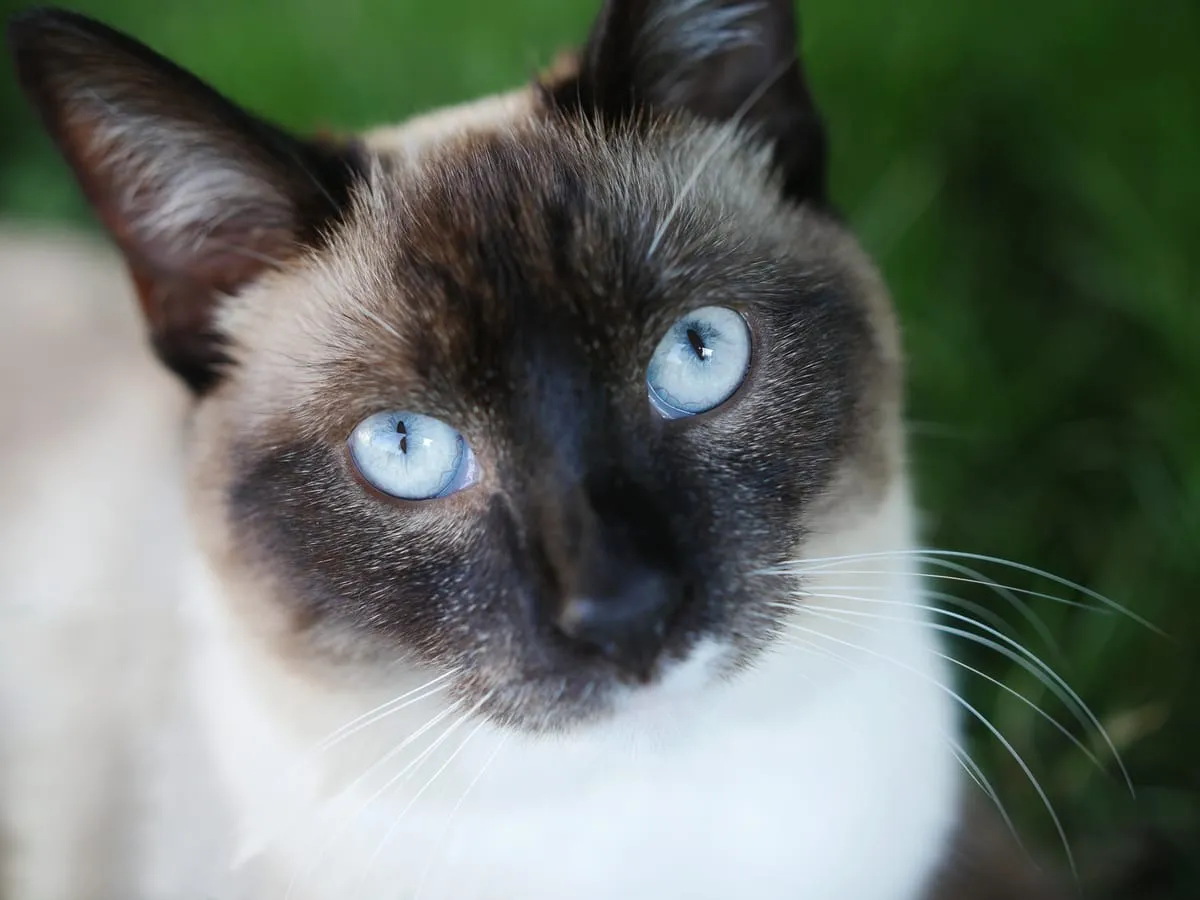
The Siamese is one of the oldest and most recognisable cat breeds, sleek and elegant, with striking blue eyes, a short coat, and the distinctive darker points on the face, ears, paws, and tail that make it unmistakable. Just as famous as the looks is the voice. A Siamese is a cat that talks, often and loudly, and that vocal, people-focused nature shapes almost everything about what living with one is like. This is a breed that forms genuinely intense bonds and wants to be involved in your day, which is either exactly what you are looking for or a real mismatch for your lifestyle. Here is the honest picture.
The famously vocal, people-oriented temperament
The first thing anyone living with a Siamese learns is that this is not a quiet cat, and the voice is only part of a much bigger personality trait.
Siamese cats are typically intelligent, curious, and intensely social, forming deep bonds with their chosen people and often preferring to be wherever you are rather than off exploring alone. They tend to follow owners from room to room, get involved in whatever is going on, and communicate about all of it with a loud, distinctive voice that ranges from a low mutter to a demanding yowl. This is not a cat that will quietly observe from a distance. Many Siamese greet you at the door, comment when their food is late, and hold what genuinely feel like conversations. For an owner who wants an interactive, engaged companion, this is the entire appeal of the breed. For someone hoping for a quiet, undemanding presence in the background, it can be a genuine source of friction, and it is worth listening to an adult Siamese in person before committing, since the voice is not a trait that mellows with training.
A cat that needs real company
Beyond the noise, the Siamese’s intense attachment to people has a practical consequence that catches some new owners out.
Siamese cats bond hard, and that same intensity that makes them such devoted companions also makes them prone to loneliness and stress when left alone for long stretches with nothing to occupy them. Many do not thrive in a home where everyone is out at work all day and the cat has little company or stimulation, and a bored, under-engaged Siamese is more likely to become anxious, destructive, or excessively vocal about it. They generally do best in a household that is around a good amount of the day, or paired with a compatible companion animal so they are not left entirely alone, alongside plenty of interactive play to keep that sharp mind occupied. Puzzle feeders, wand toys, and regular play sessions all help, and the general advice on keeping an indoor cat from getting bored is worth taking seriously with this breed in particular, since a Siamese notices the difference between an engaged day and a neglected one more than most cats do.
Coat, build, and everyday care
Compared with the temperament, the Siamese’s physical care is refreshingly simple, which is worth knowing since the personality can make the breed sound high-maintenance across the board.
The short, fine coat needs only light, regular grooming, an occasional brush is generally enough to keep it in good condition, with no real matting risk and comparatively little shedding next to a longhaired breed. Siamese are typically slim, lightly built, and athletic cats, often more active and inclined to jump and climb than a heavier breed, so a cat tree or shelving that lets them get up high is appreciated rather than optional. This lean build also means they can be sensitive to cold, and many appreciate a warm spot to curl up in rather than a draughty room. Day to day, a Siamese is not a demanding cat to groom or physically maintain. The demand is almost entirely about company and mental engagement, not upkeep.
Health, honestly
Like most pedigree breeds, the Siamese carries some known predispositions worth knowing about before you commit.
Certain respiratory and dental problems are seen more often in the breed, and some lines carry a raised risk of specific heart conditions and progressive retinal atrophy, an inherited condition that gradually affects eyesight. None of this means every Siamese will develop a problem, but it is exactly why buying from a responsible breeder who health-tests the parents matters, since it meaningfully lowers the odds across all of these. A reputable breeder should be able to talk through the health testing behind a specific litter without hesitation, and that conversation is worth having before you commit to a kitten.
Who they suit
A Siamese suits a household that wants a genuinely interactive, vocal, deeply bonded companion and is around enough of the day to provide the company this breed needs, or that can offer a compatible companion animal alongside plenty of enrichment. They are a strong match for people who enjoy training, conversation with their cat in the most literal sense, and a pet that wants to be part of everything you do. They are a poor match for anyone wanting a quiet, low-interaction cat, or a household that is out long hours with no one and nothing to keep the cat company, since a lonely Siamese tends to let you know about it, loudly and often.
Chosen from a breeder who health-tests, and given the company and stimulation it genuinely needs, a Siamese is one of the most rewarding, characterful cats you can share a home with, sharp, affectionate, and never in any doubt about what it wants from you. Just go in with your eyes open about the voice and the attachment, since both are the breed, not a phase it grows out of.
Common questions
- Are Siamese cats good pets?
- For the right home, yes. Siamese cats are typically intelligent, sociable, and deeply attached to their people, which makes them wonderful companions for someone who wants an involved, interactive cat. They need company and mental stimulation, so they suit an engaged household more than one that is out all day.
- Why do Siamese cats talk so much?
- It is simply how the breed communicates. Siamese cats are famously vocal, with a distinctive, loud voice they use to comment on what is happening, ask for attention, or tell you what they want. Some individuals are chattier than others, but nearly all Siamese talk far more than the average cat, and this is a genuine breed trait, not a behaviour problem.
- Do Siamese cats need a lot of attention?
- Yes, more than many breeds. Siamese cats bond intensely with their people and are prone to loneliness and stress if left alone for long stretches with nothing to do. They do best with an owner who is around a good amount of the day, or with a compatible companion animal, plus plenty of interactive play and enrichment.
- What health problems are Siamese cats prone to?
- Certain respiratory and dental issues appear more often in the breed, along with a predisposition to some hereditary conditions including certain heart and eye problems. Progressive retinal atrophy, an inherited condition affecting eyesight, is also seen in some lines. Buying from a breeder who health-tests the parents lowers the risk considerably.