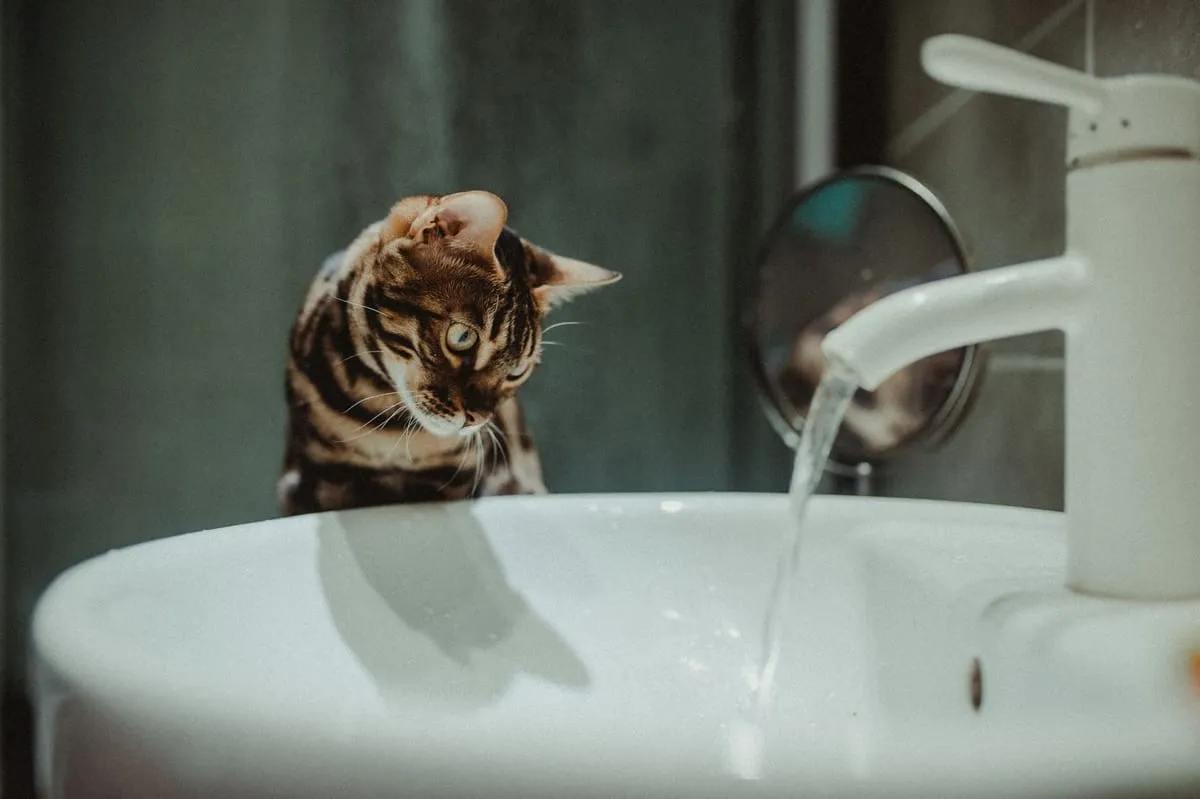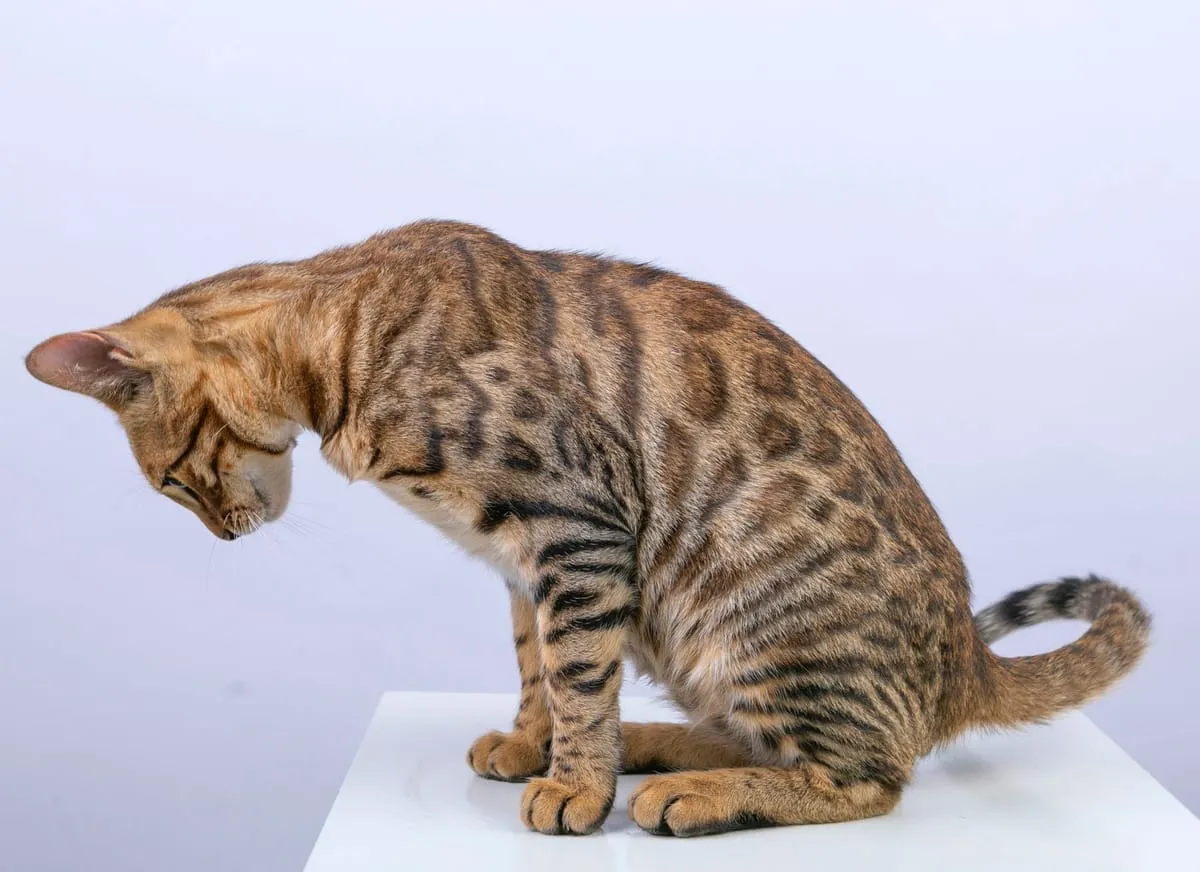
Bengals are one of the most eye-catching cats you can bring home, and that look does not come cheap. What tends to surprise new owners more is where the rest of the money goes. It is not grooming, the short coat needs almost nothing, it is keeping an unusually athletic, food and play motivated cat properly occupied for its whole life. Here is an honest breakdown of what a Bengal actually costs to own.
Costs vary with where you live, your cat, and your choices, so treat these as realistic UK estimates to plan around rather than firm quotes.
The purchase price
The kitten price is the biggest single upfront cost, and Bengals sit toward the higher end of popular pedigrees.
A Bengal kitten from a registered, responsible breeder in the UK typically costs somewhere around £800 to £2,000 or more, with kittens from health-tested lines, and those with the boldest, most contrast-rich coat markings, at the higher end. That screening matters, because Bengals carry a handful of known inherited health risks, and buying from a breeder who tests for them lowers the odds of an expensive problem later. As with any in-demand pedigree, a suspiciously cheap Bengal kitten is worth more questions, not fewer, since it may not be full pedigree or may come from unscreened lines. It is also worth asking directly how many generations a kitten sits from the breed’s original wild ancestor, since early-generation cats are a different animal and, in some places, legally restricted.
The first-year setup
The first year brings the usual one-off costs of setting a cat up, with more weight on enrichment than most breeds need.
Alongside the kitten, budget for neutering, initial vaccinations, and microchipping, plus the kit: a litter tray, bowls, a carrier, and a bed. For a Bengal, the equipment that actually earns its keep is a proper cat tree or dedicated climbing shelving, a wand toy for real daily chase-and-catch play, and a puzzle feeder to give that busy brain something to work for. None of it is exotic or costly individually, but it is not optional the way it might be for a lower-energy breed, and skipping it tends to show up later as furniture damage or an unhappy cat. Starting insurance early, before anything can be called pre-existing, is especially sensible given the breed’s inherited health risks.
The ongoing costs
Then come the regular, lifelong costs, and for a Bengal the standout is not grooming, it is keeping up with the energy.
Grooming is genuinely cheap: the short, dense, pelt-like coat needs minimal brushing and sheds comparatively little. Food costs sit around average for a cat of Bengal size. Where the running cost climbs is enrichment, replacing worn toys, keeping a puzzle feeder in rotation, and the time cost of the daily play sessions this breed needs to stay settled, which is not really optional the way it can be with a lower-energy cat. Insurance sits at the higher end for the breed, reflecting its known inherited risks, and rises with age. Add routine veterinary care, vaccinations, and parasite treatment, and a Bengal’s everyday running cost lands above that of an average moggy, mostly on the back of enrichment and insurance rather than food or coat care.
The health costs to plan for
This is the part that most justifies buying carefully and insuring well.
Bengals are prone to hypertrophic cardiomyopathy, a heart muscle disease, and progressive retinal atrophy, an inherited condition that gradually affects eyesight, both of which responsible breeders screen for with genetic testing and heart scanning of breeding cats. Patellar luxation, a kneecap that slips out of place, and pyruvate kinase deficiency, a genetic blood disorder, are also known risks in the breed. None of this means a given Bengal will develop a problem, but the combination is real enough that buying from a breeder who screens, and holding good insurance from the start, both matter more here than with an average pedigree.
The real lifetime cost
Put it together and a Bengal is a moderately higher cost than an average cat, driven by the purchase price and the ongoing enrichment and insurance rather than grooming or food.
Across a typical lifespan of around twelve to sixteen years, the purchase price, setup, and the ongoing costs of feeding, enriching, insuring, and caring for a high-energy pedigree cat add up to a realistic lifetime figure often somewhere between about £12,000 and £19,000, and more if a significant health condition develops. A Bengal is a genuinely rewarding, engaging companion for the right household, and a manageable cost if you go in knowing where the money actually goes: less on the coat, more on keeping that mind occupied. If you are still deciding, our Bengal breed guide and our guide to the true cost of owning a cat go further.
Common questions
- How much does a Bengal kitten cost to buy?
- In the UK, a Bengal kitten from a registered, responsible breeder typically costs somewhere around £800 to £2,000 or more, with kittens from established breeders who health-test their cats, and those with the most striking coat markings, at the higher end. Bengals are one of the pricier popular pedigrees, and unusually cheap kittens are a reason to ask more questions, not fewer.
- Are Bengal cats expensive to keep?
- The kitten price is only part of it. Bengals are cheap to groom, since the short coat needs almost nothing, but they are an athletic, high-energy breed that genuinely needs daily play, climbing space, and puzzle feeding to stay settled, and that enrichment adds up in a way it does not for a lower-energy breed. Insurance also sits higher than average, reflecting a few known inherited health risks.
- What health problems do Bengal cats have?
- The main ones to know are hypertrophic cardiomyopathy, a heart muscle disease, and progressive retinal atrophy, an inherited condition affecting eyesight, along with a raised risk of patellar luxation, a kneecap that slips out of place, and pyruvate kinase deficiency, a genetic blood disorder. Responsible breeders screen their breeding cats for all four, which is a key reason to buy carefully.
- What is the lifetime cost of a Bengal cat?
- Over a long life of around twelve to sixteen years, adding the purchase price, setup, food, enrichment, insurance, and likely vet care, a realistic lifetime cost often lands somewhere between about £12,000 and £19,000, and more if a significant health condition develops. The purchase price and the ongoing enrichment needs are what push a Bengal above an average moggy.