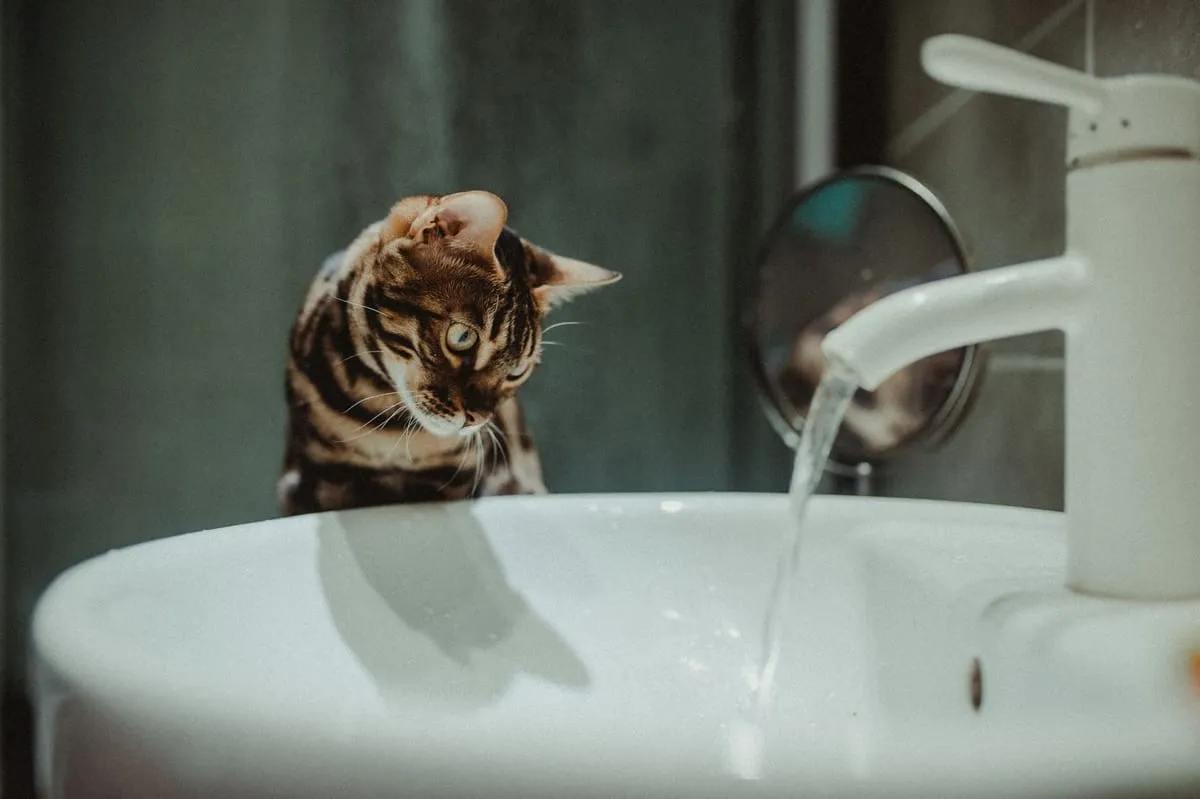
The Bengal is one of the most striking cats you can bring into a home, a muscular, athletic build under a coat marked with spots or marbling that genuinely echoes its wild ancestry. That look is not just for show. The energy, curiosity, and sheer need for something to do that comes with a Bengal is just as real as the coat, and it shapes almost everything about living with one. This is a breed that rewards an engaged, active owner and frustrates anyone hoping for a cat that mostly naps on the sofa. Here is the honest picture.
Where the look comes from
The Bengal’s coat and build trace back to a deliberate cross between domestic cats and the Asian leopard cat, a small wild species, starting in the 1960s and developed further from the 1980s onward.
Almost every Bengal sold as a pet today is many generations removed from that original cross and bred specifically for a stable, domestic temperament alongside the wild look. Early-generation hybrids, closer to the leopard cat in the pedigree, are a different animal in practice, sometimes warier of people, and in some places they are legally restricted or banned as exotic pets. If you are buying a kitten, it is worth asking a breeder directly how many generations removed it is from that original cross and checking the rules where you live, though for the vast majority of Bengals bought as household pets this is a non-issue rather than a real concern.
A mind that genuinely does not switch off
The first thing most new Bengal owners notice is how little this cat resembles the stereotype of an aloof, low-key pet.
Bengals are typically intelligent, curious, and highly food and play motivated, often described as dog-like for good reason. Many can be taught to fetch, walk on a harness, and open doors or cupboards they have decided are worth investigating, and most actively want to be part of whatever is happening in the house rather than observing from a distance. They are also usually vocal, with a distinctive chirping, chirruping call alongside the standard meow, used liberally to comment on what they think of your schedule. One quirk that catches new owners off guard is a fascination with water. Plenty of Bengals paw at running taps, dip toys into water bowls, or try to join you in the shower, which is unusual among cats but common enough in this breed to be considered a genuine trait rather than an individual oddity.
Exercise and enrichment are not optional
Because the energy is so central to the breed, treating a Bengal like a low-maintenance pet is where most owners run into trouble.
This is an athletic cat that needs serious daily play, not a token five minutes with a toy mouse. A wand toy session that lets a Bengal properly chase, pounce, and catch, twice a day, does far more good than leaving toys out and hoping. Vertical space matters just as much. Bengals are strong jumpers and climbers who want to survey a room from height, so a proper cat tree or dedicated shelving earns its keep here more than with most breeds. A puzzle feeder is worth adding too, since a Bengal that has to work for part of its food gets a mental outlet a bowl on the floor cannot provide. Our general guide to keeping an indoor cat from getting bored is a reasonable starting point, but expect to need more of everything in it than the average cat would.
Coat and everyday care
Compared with the temperament, physical upkeep is refreshingly simple.
The short, dense, pelt-like coat needs minimal brushing, sheds comparatively little, and has no matting risk worth worrying about. Some Bengals carry a “glitter” gene that gives the coat a faint shimmer in good light, which is purely cosmetic and needs no special care. Day to day grooming is not where the effort with this breed goes. It goes entirely into keeping the cat’s mind and body occupied.
Health, honestly
Like most pedigree breeds, Bengals carry some known predispositions worth knowing before you commit.
Hypertrophic cardiomyopathy, a form of heart disease, and progressive retinal atrophy, an inherited condition that gradually affects eyesight, are both seen more often in the breed. Patellar luxation, a kneecap that slips out of place, and pyruvate kinase deficiency, a genetic blood disorder, are also known risks. None of this means a given Bengal will develop a problem, but a responsible breeder screens breeding cats for these conditions and should be able to talk you through the testing behind a specific litter without hesitation.
Who they suit
A Bengal suits an active household that wants a genuinely interactive, athletic, vocal cat and is prepared to provide serious daily play, vertical space, and mental stimulation as standard, not as an occasional extra. They are a strong match for people who enjoy training and hands-on engagement with their pet. They are a poor match for anyone wanting a quiet, low-interaction lap cat, a household that is out long hours with little enrichment on offer, or a home without the space or security to satisfy a cat this determined to climb, jump, and investigate.
Chosen from a breeder who health-tests and given the exercise and stimulation it genuinely needs, a Bengal is one of the most engaging, striking cats you can share a home with. Just go in prepared for the energy, since it is the breed, not a phase it grows out of.
Common questions
- Are Bengal cats good pets?
- For the right home, yes, though this is not a breed for everyone. Bengals are typically affectionate, highly intelligent, and deeply engaged with their people, which makes them wonderful companions for an active household. They are a poor fit for anyone wanting a quiet, low-maintenance lap cat, since an under-stimulated Bengal tends to make its boredom known.
- Are Bengal cats part wild cat?
- Distantly, yes, but that matters far less than people expect for the cat you would actually bring home. The breed began with crosses between domestic cats and the Asian leopard cat, a small wild species, decades ago. Almost every Bengal sold as a pet today is several generations removed from that wild ancestor and is bred for a domestic temperament. Early-generation hybrids are a different matter, sometimes more skittish, sometimes restricted or banned outright in certain places, so it is worth asking a breeder exactly how many generations removed a kitten is and checking your local rules before committing.
- Do Bengal cats need a lot of exercise?
- Yes, considerably more than most breeds. Bengals are athletic, high-energy cats that need real daily play, vertical space to climb and survey from, and enough mental stimulation to keep that busy brain occupied. A Bengal left with nothing to do tends to invent its own entertainment, and owners rarely enjoy what it picks.
- What health problems are Bengal cats prone to?
- Hypertrophic cardiomyopathy, a form of heart disease, and progressive retinal atrophy, an inherited condition affecting eyesight, are both seen more often in the breed, along with a raised risk of patellar luxation and pyruvate kinase deficiency, a genetic blood disorder. None of this means every Bengal will develop a problem, but a breeder who health-tests and screens breeding cats for these conditions meaningfully lowers the odds, and it is worth asking about directly.