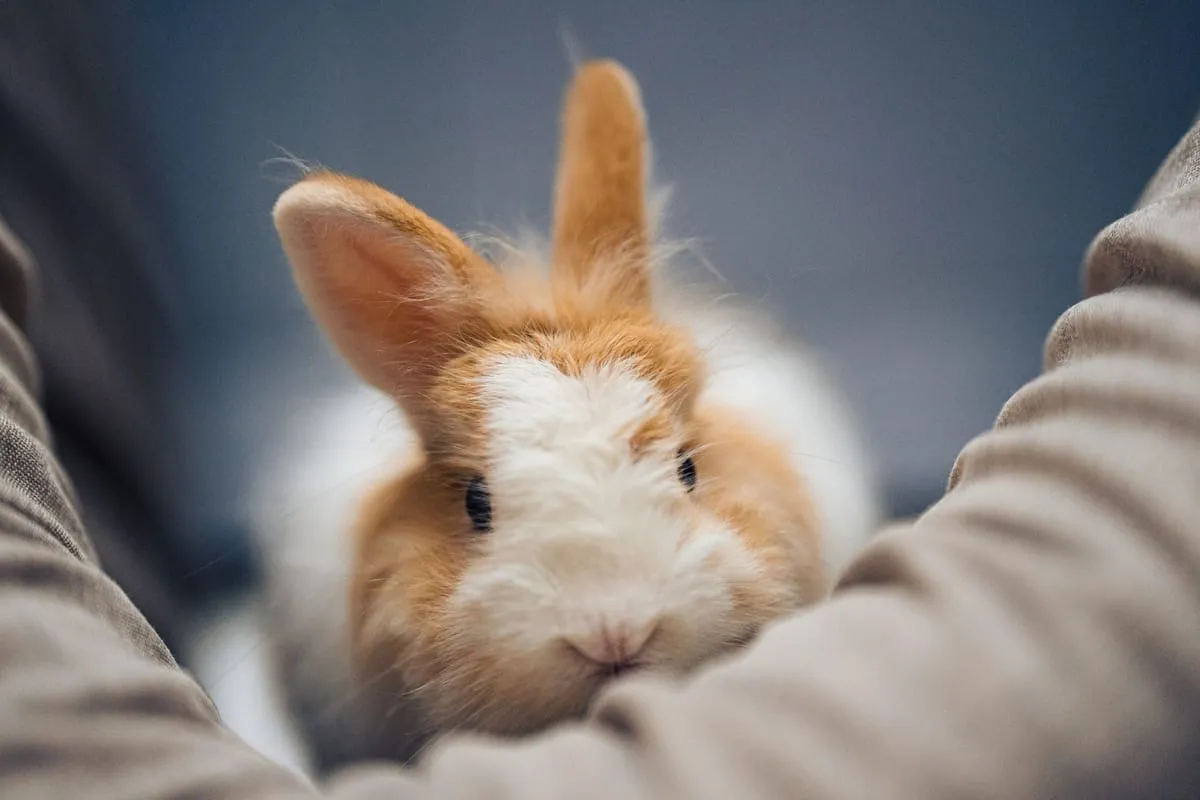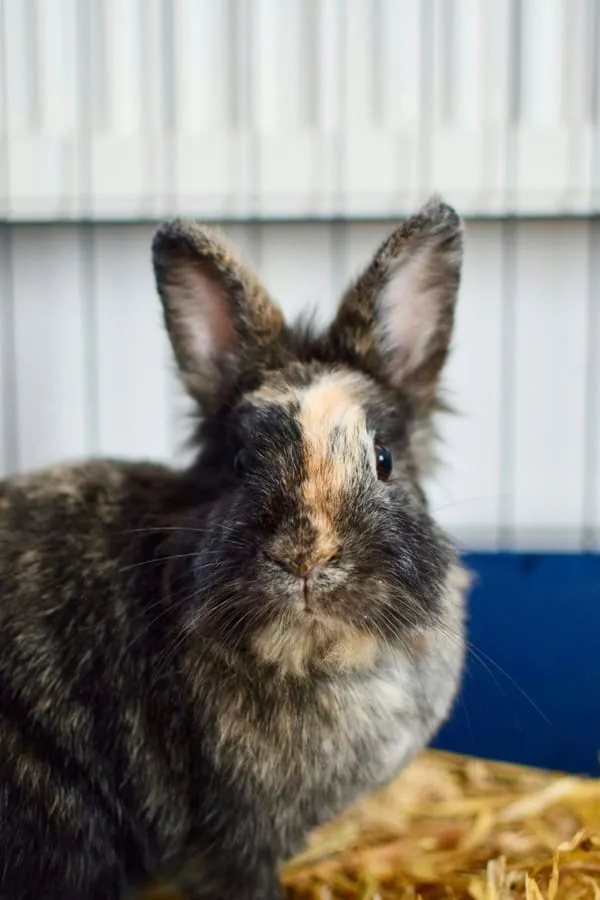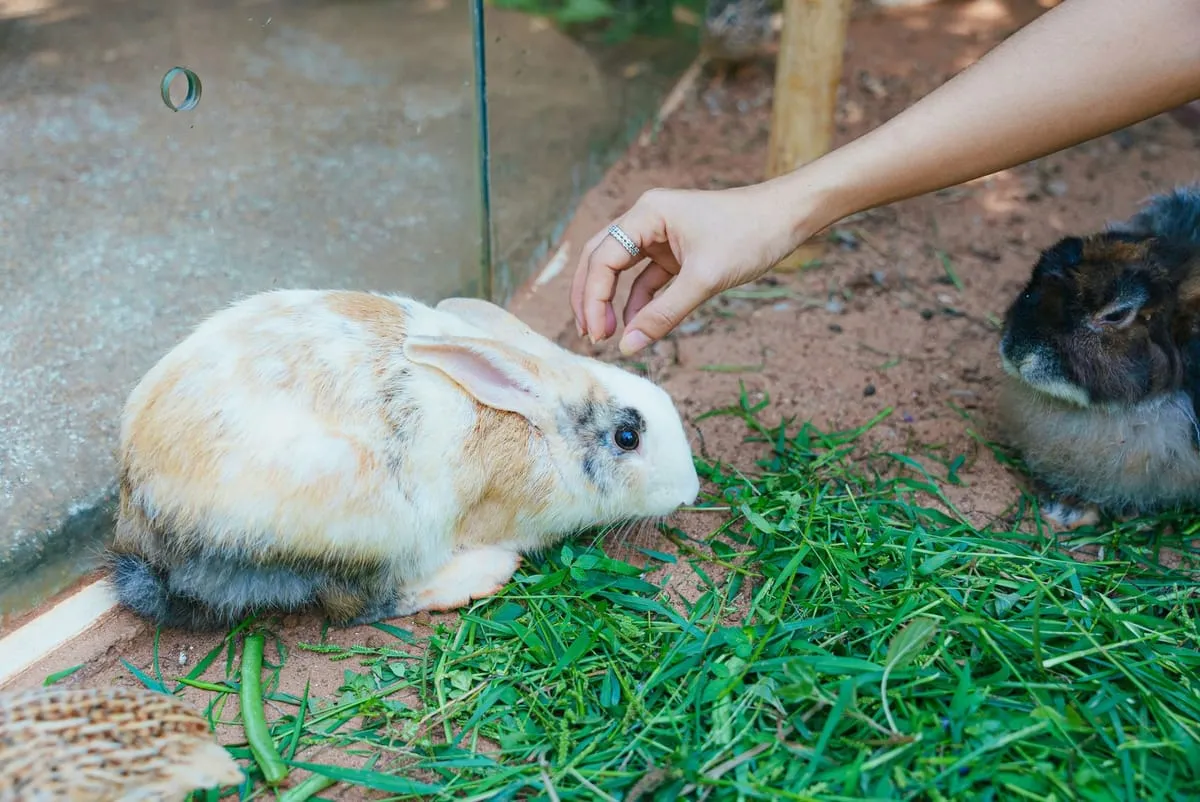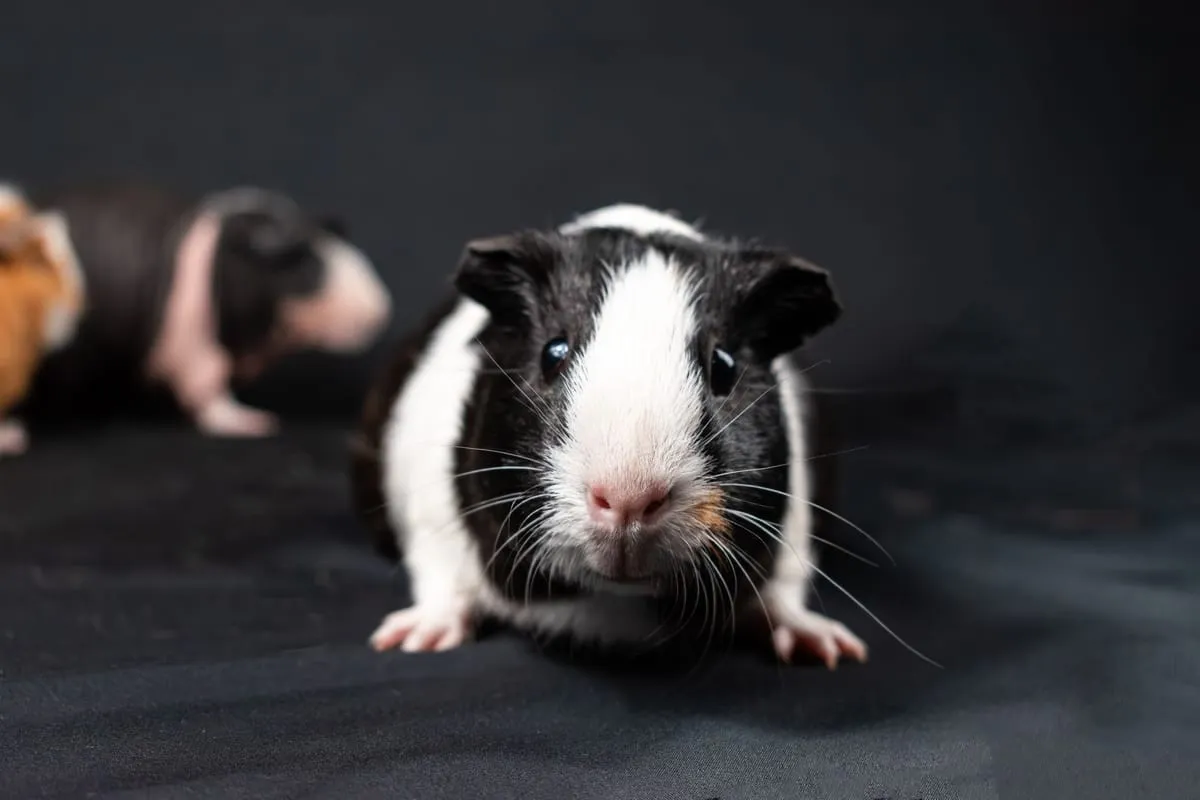
A single sneeze from a rabbit or guinea pig burying its nose in fresh hay is nothing to think twice about. Repeated sneezing, especially with any discharge, noisy breathing, or a change in how your pet is acting, is a different matter entirely, and it is one of the more common reasons these animals end up needing veterinary care. Here is how to tell the difference, and what is actually going on when it is not just dust.
One sneeze is not an emergency
Rabbits and guinea pigs sneeze for the same mundane reasons any animal does, a bit of hay dust, a stray fibre of bedding, or something tickling the nose.
An isolated sneeze that does not repeat, is not paired with any discharge, and does not change your pet’s behaviour is ordinary and not worth acting on. Where it becomes worth paying attention to is frequency and company: sneezing that happens repeatedly through the day, that continues for more than a day or two, or that shows up alongside wet or crusty discharge from the nose or eyes, laboured or noisy breathing, matted or wet fur on the front paws from wiping at the face, or a drop in appetite or energy.
What causes it
In rabbits, chronic upper respiratory infection is common enough to have its own nickname, snuffles, most often caused by the bacteria Pasteurella multocida, though other bacteria can be involved too. It tends to flare and settle rather than behave like a simple cold, and some rabbits carry the bacteria without ever showing symptoms until something, stress, a dusty environment, or another illness, tips the balance.
In guinea pigs, bacterial respiratory infections, often involving Bordetella or Streptococcus, tend to move faster and can progress to pneumonia in a way that is genuinely dangerous, which is part of why guinea pigs are treated with more urgency than rabbits showing the same early signs. In both species, poor ventilation, high ammonia levels from bedding that needs changing more often, overcrowding, stress, and low-quality dusty hay or bedding all raise the risk, alongside a weakened immune system from another underlying illness.
Why it is not a wait-and-see situation
Both rabbits and guinea pigs are prey animals that instinctively mask illness, the same trait that makes early weight loss so easy to miss, covered in more depth in the health signs small pets hide. By the time a respiratory infection is obvious enough that you cannot miss it, it has often been developing for a while already. A vet visit is the only way to actually find out what is going on, since the right antibiotic depends on which bacteria are involved and a vet may need to listen to the chest, check the eyes and ears, and sometimes run further tests to be sure it is not something else, like dental disease causing a secondary nasal problem.
Left untreated, a respiratory infection can spread to the lungs, become chronic and much harder to clear, or in a guinea pig, turn into pneumonia within days rather than weeks. None of that is a reason to panic if you catch it early and get seen promptly, it is simply why “let’s watch it for a week” is the wrong instinct here.
Lowering the risk
A few everyday habits meaningfully cut the risk of respiratory problems. Good ventilation without a direct draught, cleaning the cage or hutch often enough that ammonia never builds up, choosing dust-extracted bedding, and avoiding pine or cedar shavings, which are known respiratory irritants, all help. Keeping stress low and avoiding sudden overcrowding matters too, since both species are more vulnerable when stressed. If one rabbit or guinea pig in a pair or group starts showing symptoms, it is worth having the vet check the others as well, since these infections can pass between housemates.
A sneeze here and there is simply part of having a small, twitchy-nosed pet. Repeated sneezing, discharge, or any change in breathing or behaviour is your rabbit or guinea pig telling you it needs help sooner rather than later, and both species do better the earlier that help arrives.
Common questions
- Is it normal for a rabbit or guinea pig to sneeze occasionally?
- Yes, an occasional single sneeze, the same as a person clearing dust from their nose, is normal and not worth worrying about, especially just after fresh hay or bedding has been put down. What is not normal is sneezing that repeats through the day, comes with any discharge from the nose or eyes, or keeps happening for more than a day or two.
- What is "snuffles" in rabbits?
- Snuffles is the common name for a chronic upper respiratory infection in rabbits, most often caused by the bacteria Pasteurella multocida. It causes sneezing, thick nasal discharge, and sometimes a crusty nose or matted front paws from a rabbit wiping at its face. It can flare and settle over months and is a diagnosis for a vet to make and manage, not something to guess at from symptoms alone.
- Can a respiratory infection in a rabbit or guinea pig be serious?
- Yes, and it can move from mild to serious faster than owners expect, particularly in guinea pigs, who can decline quickly once a chest infection sets in. Both species should see a vet promptly for anything beyond an occasional isolated sneeze, rather than being watched at home for days first.
- What can I do at home while waiting to see a vet?
- Keep your pet warm, calm, and away from draughts, dust, strong-smelling cleaning products, and cigarette smoke, all of which irritate the airways further. Do not use any human cold or decongestant medication, since these are not safe for rabbits or guinea pigs. Encourage normal eating and drinking and monitor for any change, but home care supports your pet on the way to a vet, it does not replace the visit.