Almost every dog vomits at some point, and most of the time it is over before you have finished cleaning the carpet. Dogs have a lower threshold for vomiting than we do, and a stomach that reacts to whatever they got into on a walk is doing exactly what it is supposed to. The job is not to panic at the first vomit, it is to read what came up, how often it is happening, and what else your dog is doing, because those details are what separate an ordinary bad afternoon from something that needs a vet today.
What the vomit itself is telling you
Before you do anything else, look at what actually came up, because it narrows things down more than most owners expect.
Undigested or barely digested food usually means it came back up not long after eating, often from wolfing a meal down too fast, as covered in why does my dog eat so fast, or from simply eating too much in one go. Yellow, frothy vomit is bile, the digestive fluid the stomach produces even when it is empty, and it is common first thing in the morning or late at night in a dog going a long stretch between meals. Clear or white foam is usually just swallowed air and saliva rather than a sign of anything eaten. None of these three are, by themselves, cause for alarm if they happen once.
Red streaks, fresh blood, or a vomit that looks like coffee grounds are a different matter, since they point to irritation or bleeding somewhere in the stomach or gut. So does anything that looks like it should not be there, a chunk of toy, a wrapper, or grass and bile that keeps recurring over days rather than settling.
The ordinary causes
Most vomiting traces back to something simple, and working through the likely list usually explains it.
Dietary indiscretion covers a lot of ground, a rich table scrap, something scavenged and half-rotten on a walk, a new treat that did not agree, or just plain overeating. A sudden change of food does it too, which is why any switch should happen gradually over a week rather than overnight. Motion sickness is common in dogs that rarely travel, showing up as drooling and vomiting within the first twenty minutes of a car journey and easing once the trip is over. Eating grass and then vomiting shortly after is normal enough in most dogs that it is its own topic, covered in why does my dog eat grass, though a dog doing it obsessively every single day is worth mentioning to your vet.
Stress can trigger it too, a kennel stay, a house move, fireworks, or an anxious car ride can unsettle a dog’s stomach the same way it unsettles a person’s. Less commonly, intestinal parasites, a mild viral bug, or a reaction to a new medication are behind it, more likely if the vomiting keeps returning rather than clearing after one bad day.
Toxins and genuine emergencies
Some causes are dangerous rather than just unpleasant, and it is worth knowing what to rule out fast if there is any chance your dog got into something they should not have.
Chocolate, grapes and raisins, and xylitol, found in a lot of sugar-free gum and some peanut butters, can all cause vomiting as an early sign of poisoning, often followed by more serious symptoms as the toxin takes hold. A swallowed foreign object, a sock, a stone, part of a toy, can cause repeated vomiting with nothing much coming up as it blocks the gut, and that needs same-day imaging at a vet rather than home management. And a swollen or tight-looking belly with dry, unproductive retching is the hallmark of bloat, a true emergency in large, deep-chested breeds above all.
If there is any real chance your dog ate something toxic, or swallowed an object, call your vet or a pet poison hotline straight away instead of waiting to see how the vomiting develops.
What actually helps at home
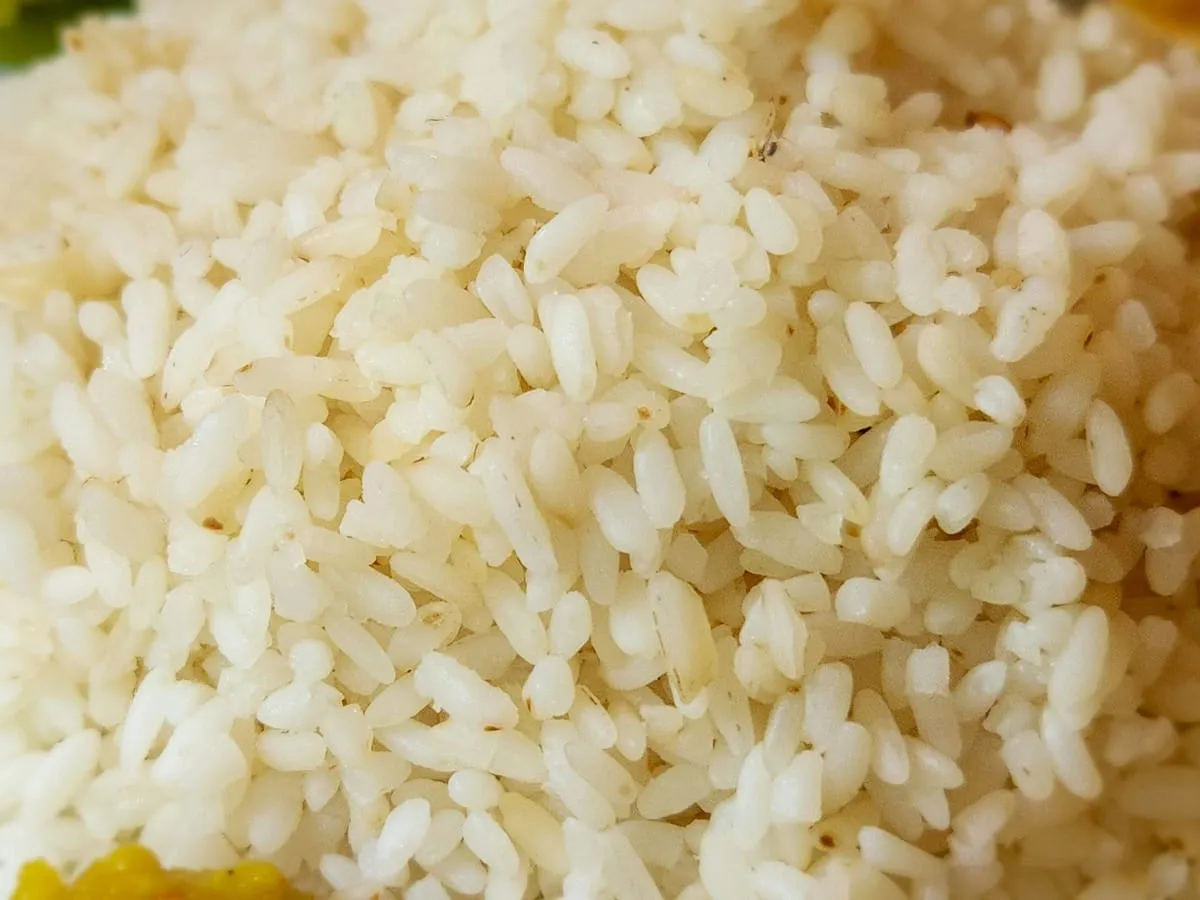
For a single, isolated vomit in an otherwise bright adult dog, skipping the very next meal while keeping water available in small, frequent amounts gives the stomach a short rest without withholding food for long. Reintroduce food with a bland meal, plain boiled chicken and plain boiled white rice in small portions, the same approach that helps with diarrhea, and go back to the usual food gradually once things have settled for a day.
A pumpkin digestion supplement or fresh plain pumpkin can help settle a mild, short-lived upset, and a veterinary probiotic is worth considering if the stomach has been unsettled for a few days or followed a course of antibiotics. Neither replaces a vet visit if vomiting is repeated, bloody, or does not ease within a day.
Puppies are the exception to any wait-and-see approach. They dehydrate and drop blood sugar fast, and repeated vomiting in a young puppy, especially one that is also lethargic or has diarrhea, needs a same-day vet visit rather than a day of home management at home, since it can also be an early sign of parvovirus.
Most vomiting in dogs is exactly as forgettable as it looks, an unlucky scavenge, a too-fast meal, or a car ride that did not agree with them. The pattern is what matters: a single vomit in a bright, otherwise normal dog can be watched, while repeated vomiting, blood, a swollen belly, or a flat, withdrawn dog all mean the same thing, stop watching and call your vet.
Common questions
- Why is my dog throwing up but acting normal?
- A single vomit in a dog that is otherwise bright, eating, drinking, and keen for a walk is usually a minor, self-limiting upset, dietary indiscretion, eating too fast, a bit of grass, or mild travel sickness. Watch for a few hours rather than panicking. If a second or third vomit follows, or your dog goes quiet or off its food, treat it as a different situation.
- What does the color of dog vomit mean?
- Undigested food usually means it came back up quickly, often from eating too fast or too much. Yellow or frothy vomit is bile, common first thing in the morning on an empty stomach. White foam is usually just swallowed air and saliva. Red streaks or a coffee-ground appearance point to bleeding in the stomach or gut, and that needs a same-day vet call, not a wait and see.
- Should I withhold food after my dog vomits?
- A short rest for the stomach, skipping the very next meal but keeping water available in small amounts, is reasonable after one isolated vomit in an otherwise well adult dog. Do not fast a puppy, a toy breed, a senior, or any dog with an existing health condition, since they can drop blood sugar quickly. If vomiting continues past that one skipped meal, call your vet rather than extending the fast yourself.
- When is vomiting in a dog an emergency?
- Repeated vomiting within a few hours, vomiting alongside a swollen or painful belly, blood in the vomit, retching with nothing coming up, lethargy, or vomiting in a puppy are all reasons to see a vet the same day. A swollen belly with unproductive retching in particular can mean bloat, which is fatal within hours if untreated.