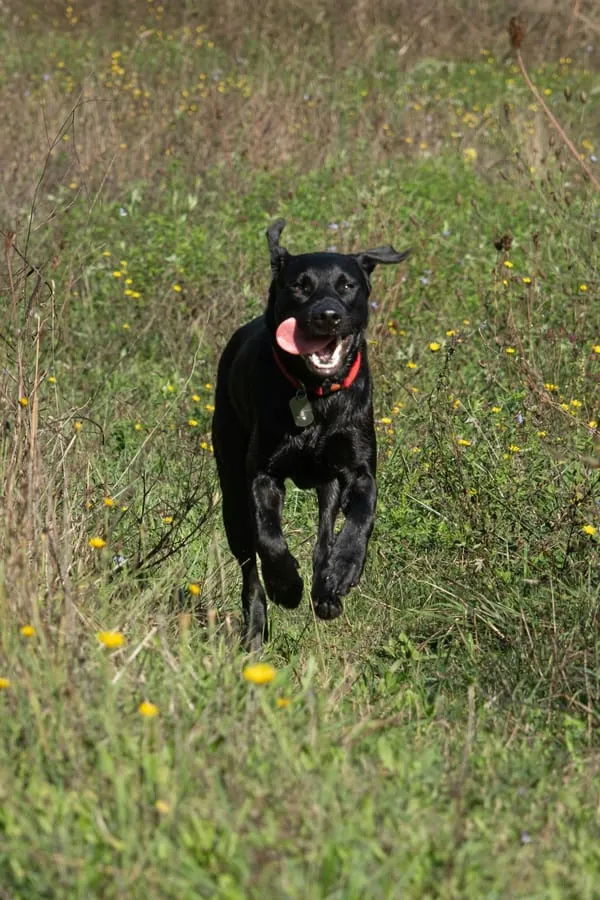
A dog snuffling through damp grass on a walk and coming up with a mushroom in its mouth is one of the more common reasons owners end up calling a vet in a slight panic. The honest answer splits two ways. A plain mushroom from the supermarket is nothing to worry about. A mushroom growing wild in a park, garden, or woodland is a genuine unknown, and a small number of species are among the most dangerous things a dog can eat.
The short answer
Shop-bought mushrooms, the kind sold for people to eat, are non-toxic to dogs and safe in small, plain amounts. Wild mushrooms are a different question entirely. Most species growing wild are harmless or cause nothing worse than a stomach upset, but a handful, including the death cap, are severely toxic and can be fatal, and telling them apart reliably from a dog’s-eye view on a walk is not realistic for most owners. The safe approach treats every wild mushroom a dog eats as a potential emergency until proven otherwise, not as a coin flip worth waiting out.
How much is safe
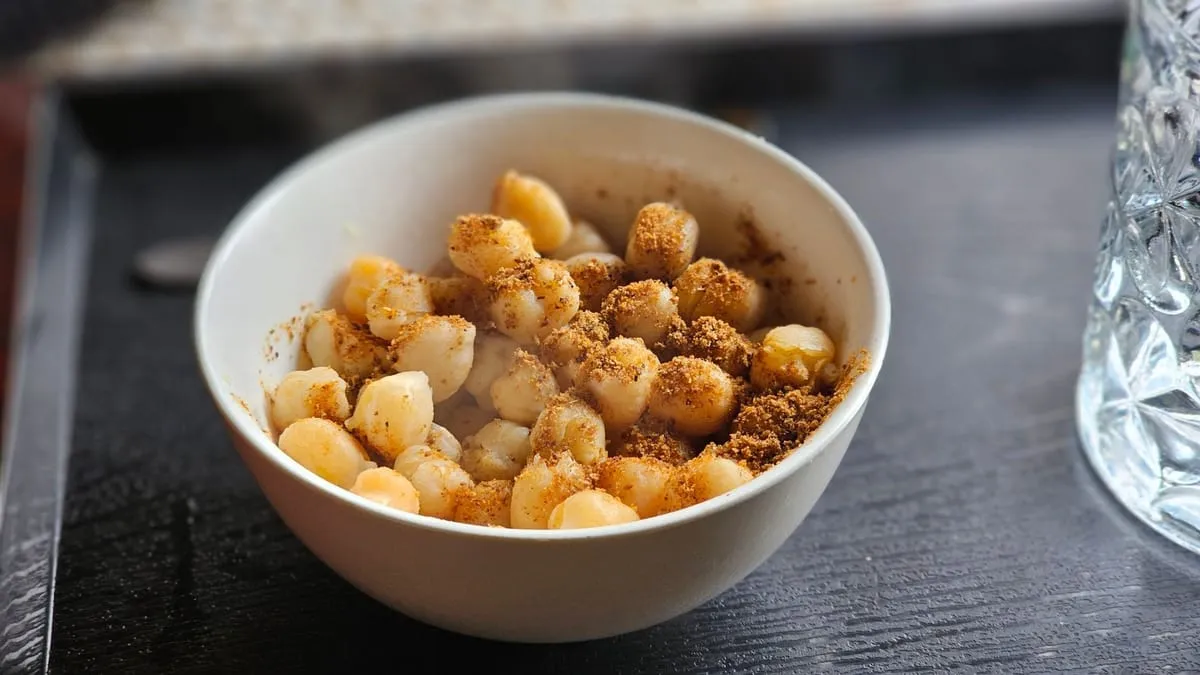
A few small pieces of a plain, cooked, shop-bought mushroom, chestnut, button, or portobello, mixed into a meal is fine for most dogs. Mushrooms offer very little nutritionally, so there is no real reason to feed them beyond an occasional treat, and a dog with a sensitive stomach may get loose stools from a large serving even of an ordinary supermarket variety. This safe amount applies only to mushrooms you bought and prepared yourself. It has no bearing on anything a dog picks up off the ground.
How to serve it
Cook plain shop-bought mushrooms with nothing added, no garlic, onion, butter, or seasoning, since garlic and onion are genuinely toxic to dogs in their own right and often turn up in cooked mushroom dishes. Chop or slice them small enough for your dog’s size to reduce any choking risk, and offer them as an occasional addition to a meal rather than a regular feature, since there is nothing in a mushroom a complete dog food is not already providing.
When it becomes a problem
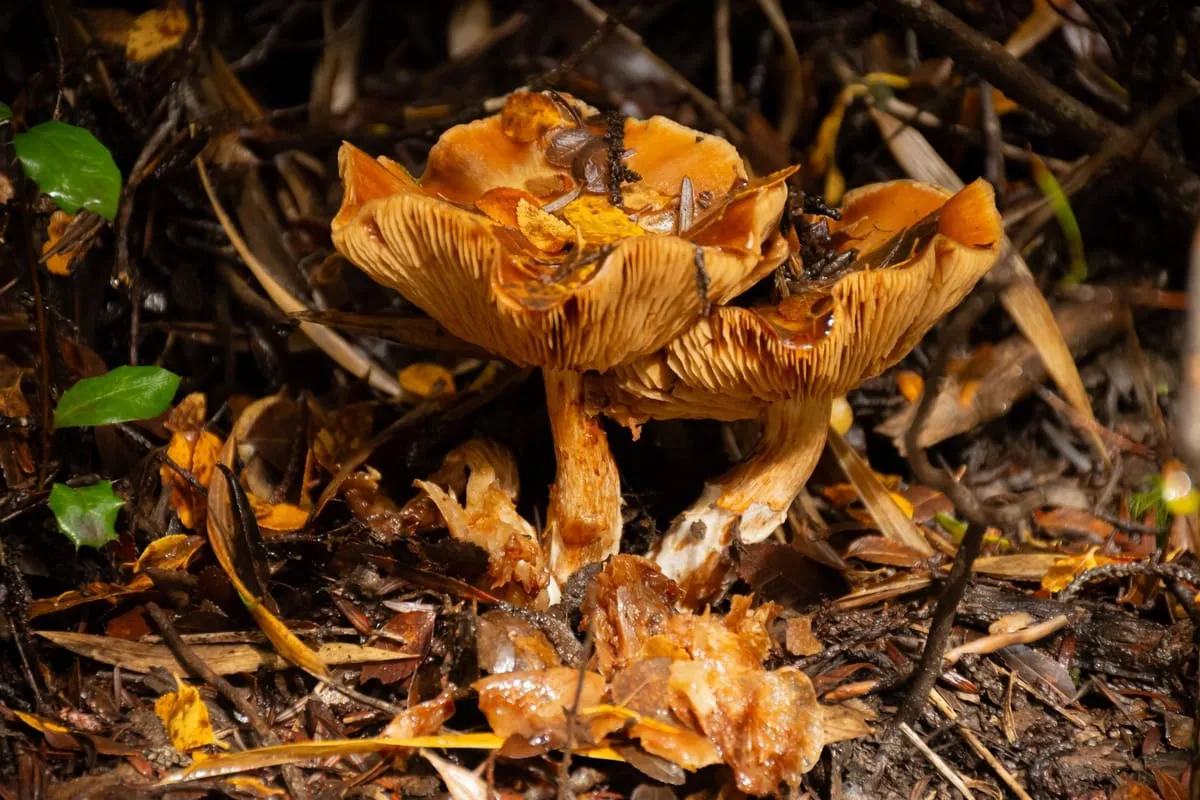
Wild mushrooms are where the real risk sits. Some species cause nothing worse than vomiting and diarrhoea that settles within a day. A small number, most notoriously the death cap, cause severe liver damage that can be fatal, and the pattern is unusually deceptive: a dog may vomit once or twice within a few hours of eating one, then seem to recover and act completely normal for a day or more, while the toxin is already damaging the liver in the background. By the time obvious symptoms return, jaundice, severe lethargy, collapse, the window for the most effective treatment has often narrowed considerably. This delayed pattern is what makes wild mushrooms genuinely more dangerous than most other things a dog might eat on a walk, and why “he seems fine” is not reassuring on its own.
What to do if they had too much
Call your vet or an emergency animal poison line immediately if your dog eats any wild mushroom, even one bite, even if your dog seems totally normal. Do not wait to see if symptoms develop. If you can safely do so, take a photo of the mushroom itself, and of others growing nearby, before you leave the area, since identifying the species, or ruling out the most dangerous ones, meaningfully changes how a vet manages the case. Note the time your dog ate it as closely as you can. Watch for vomiting, diarrhoea, lethargy, or a lack of appetite in the following one to two days, and treat any of these as a reason to be seen again even if your dog was already checked once, given how the most serious cases can appear to improve before worsening. Our guide to why is my dog not eating is a reasonable next read if appetite is what changes first.
So, can dogs eat mushrooms? Plain ones from the shop, yes, in small amounts. Wild ones from a walk, treat every single one as a possible emergency and call your vet rather than waiting to see what happens, since the most dangerous species are exactly the ones that look harmless at first. For the wider picture of what else to watch for outdoors, see our guide to which human foods are safe for dogs, and for another food where the real risk is a specific toxin rather than the food itself, our guide to macadamia nuts.
Common questions
- Can dogs eat button or portobello mushrooms?
- Yes, plain white button, chestnut, and portobello mushrooms from a shop are non-toxic to dogs and safe in small, plain amounts, cooked with nothing added. The danger with mushrooms is almost entirely about wild ones picked up on a walk, not the kind sold for people to eat.
- What wild mushrooms are poisonous to dogs?
- The most dangerous is the death cap (Amanita phalloides), which causes liver failure and is fatal in a significant proportion of cases even with treatment. Other seriously toxic species grow in gardens, woodland, and parks across many regions, and reliably telling a safe one from a deadly one by eye is not something even experienced foragers always get right, let alone a dog owner glancing down mid-walk.
- What are the signs of mushroom poisoning in a dog?
- It depends on the species, which is part of what makes this dangerous. Some toxic mushrooms cause vomiting and diarrhoea within an hour or two. Others, including the death cap, cause an early bout of sickness that then appears to pass, followed by silent liver damage over the next day or two before a dog becomes seriously unwell. That delayed, deceptive pattern is exactly why any wild mushroom eaten by a dog needs a vet call straight away, not a wait-and-see approach.
- My dog ate a mushroom on a walk and seems fine, do I still need to call the vet?
- Yes, call regardless of how your dog seems. With the most dangerous species, a dog can look completely normal for the first day while serious damage is already underway internally. Take a photo of the mushroom, or the area it grew in, before you leave if you can do so safely, since that detail can genuinely change how it is treated.