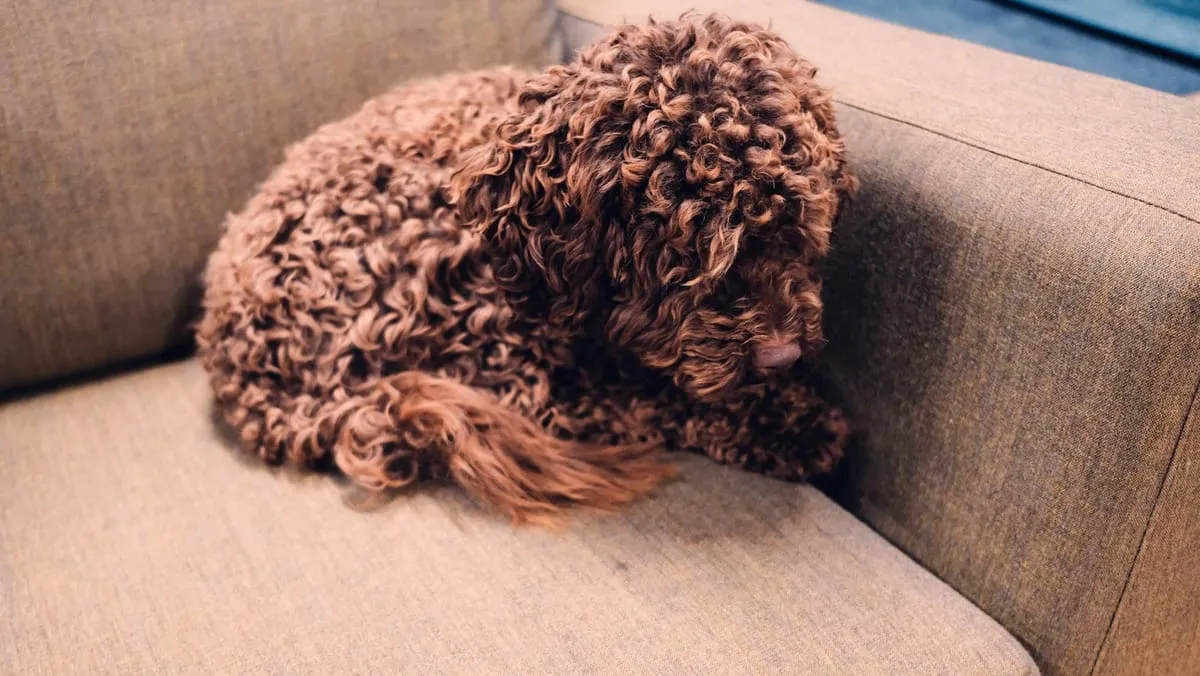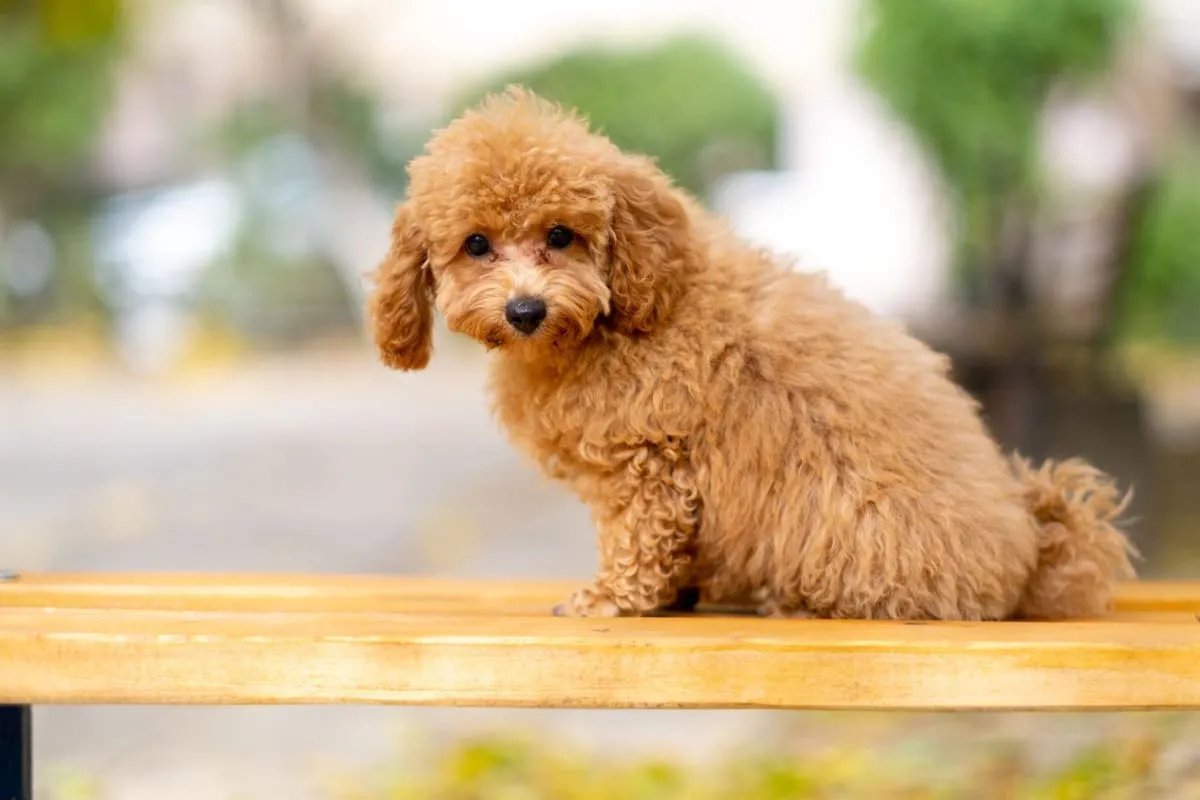
The Toy Poodle gets filed under “lapdog” more often than it deserves. Yes, it is small, usually under 10 inches at the shoulder and rarely more than 6 pounds, and yes, it will happily curl up on a lap. But underneath that curly coat is the same sharp, athletic, working brain that makes the Standard Poodle one of the most capable dogs in the show ring and the field. Shrinking a Poodle down to Toy size did not shrink its intelligence or its need for something to do, and that mismatch between size and expectation is where most Toy Poodle owners get caught out. Here is the honest version of what living with one is actually like.
Temperament: sharp, not soft
The word people reach for with Toy Poodles is usually “cute,” but the more accurate word is “clever.”
Toy Poodles were bred down from the Standard and Miniature Poodle, both working dogs with genuine jobs behind them, and that working temperament survived the size reduction almost entirely intact. Most are quick to learn, keen to please, and notice far more of what is going on around the house than their size suggests. They tend to bond tightly with their family and can be reserved or watchful with strangers rather than instantly friendly, which makes early socialisation genuinely useful rather than optional. Left without enough mental engagement, a Toy Poodle’s cleverness does not switch off, it just gets redirected, usually into barking at everything that moves outside the window or finding its own project around the house. This is a thinking dog in a small body, and treating it like a decorative accessory rather than a dog that needs a job tends to be where the trouble starts.
Size changes the exercise question, not the intelligence question
Because a Toy Poodle is small, it is tempting to assume its needs are small too. Physically, that is roughly true. Mentally, it is not.
A Toy Poodle’s actual exercise requirement is modest and easy to meet, a couple of short walks and some garden time cover most of it, and their tiny legs mean they tire from far less distance than a bigger dog would need. Where owners underestimate the breed is mental stimulation. Training sessions, puzzle feeders, scent games, and simply teaching new tricks all give a Toy Poodle’s brain the work it was bred to want, and a dog this smart genuinely notices the difference between a day with some of that and a day with none. The physical exercise bar is low. The mental one is not, and conflating the two is the single most common misjudgement people make about this breed.
The grooming reality
The Toy Poodle’s coat is the other place expectations and reality tend to diverge.
That dense, curly coat is genuinely low-shedding, which is a real plus for people bothered by dog hair around the house, but low-shedding is not the same as low-maintenance. Poodle hair keeps growing rather than falling out in a normal cycle, and left alone it mats close to the skin, which is uncomfortable and sometimes requires a painful full shave-down to fix. Realistic upkeep means brushing several times a week at home with a slicker brush that can work through curl without tugging and a professional groom roughly every four to six weeks for the length of the dog’s life, a genuine recurring cost that is easy to underestimate when budgeting for a small dog that “can’t eat much” or “doesn’t need much space.” The everyday grooming habits that suit most dogs are a starting point, but a Poodle coat needs that dedicated professional clip on top.
Health, honestly
Small dogs are often assumed to be sturdier than they are simply because there is less of them to go wrong, and that assumption does not hold up well for Toy Poodles.
Patellar luxation, a kneecap that slips out of its groove, is common across small breeds generally and Toy Poodles are no exception, sometimes needing surgical correction in more severe cases. Their small jaws mean teeth are often crowded, which raises the risk of dental disease if a proper cleaning routine is not kept up. Progressive retinal atrophy, an inherited condition that gradually affects eyesight, appears in some lines, and a small number of Toy Poodles carry a risk of tracheal collapse, a weakening of the windpipe that causes a distinctive dry, honking cough. None of this should scare anyone off a healthy, well-bred Toy Poodle, but it is worth asking a breeder directly about patella and eye testing on the parents rather than assuming small automatically means healthy. Keeping a Toy Poodle at a lean weight also matters more than owners tend to expect, since even a small amount of extra weight is a much bigger relative load on joints this size than the same weight would be on a larger dog.
Who they suit
A Toy Poodle suits a household that wants a genuinely intelligent, trainable companion in a small package and is honest with itself about the two real costs involved, ongoing mental stimulation and a lifelong grooming budget. They do well with people who are around a good amount of the day, who enjoy training and want a dog that will actually engage with it, and who can commit to the coat upkeep without resenting it. They suit families with older, careful children more reliably than homes with toddlers or very young children, given how easily a dog this fine-boned can be hurt by rough or clumsy handling. They are a poor match for anyone expecting a low-maintenance dog just because of the size, or hoping the coat will look after itself between the odd bath.
Get the training, the grooming, and the health testing right, and a Toy Poodle gives back a companion that is genuinely switched on, deeply bonded to its people, and considerably more dog than its size lets on at first glance. The lapdog reputation is not wrong, exactly. It is just missing most of the story.
Weighing size against everything else a breed brings is worth doing properly before you commit. A Toy Poodle’s trainability and low-shed coat put it in different territory from a breed carrying serious inherited health risk, like the French Bulldog, and its working intelligence has more in common with a much larger dog like the German Shepherd than its size suggests. For a sense of how it stacks up against the other small, curly-coated dog built around the same parent breed, see our guide to the Cockapoo, and if you are still weighing size and breed against your day-to-day life, our wider guide on choosing the right dog for your life is a useful next stop.
Common questions
- Are Toy Poodles good family dogs?
- Often yes, though the size matters as much as the temperament. Toy Poodles are typically clever, affectionate, and eager to please, which makes them lovely companions, but their small, fine-boned bodies do not tolerate rough handling well. They suit families with older, gentle children more reliably than homes with toddlers who might trip over or fall on a dog this size.
- Do Toy Poodles need a lot of grooming?
- Yes, this is one of the most underestimated costs of owning one. Their curly coat does not shed in the way a normal coat does, but it keeps growing and mats quickly without regular brushing, so most owners need a professional groom every four to six weeks on top of brushing at home several times a week.
- Are Toy Poodles actually as smart as people say?
- Generally, yes. Poodles as a breed are consistently ranked among the most trainable dogs, and the Toy variety keeps that working brain in a body a fraction of the size. That intelligence is a genuine asset in training but it also means a bored, under-stimulated Toy Poodle finds its own entertainment, often in ways an owner will not enjoy.
- What health problems are Toy Poodles prone to?
- Patellar luxation, a kneecap that slips out of place, is common in small breeds and Toy Poodles are no exception. They are also prone to dental crowding because of their small jaws, to progressive retinal atrophy, an inherited eye condition, and some lines carry a risk of a collapsing windpipe. None of these rule the breed out, but they are worth asking a breeder about directly.