A bird bobbing its tail with every breath, making a faint clicking sound, or suddenly sounding different when it calls is not something to wait out. Respiratory infections are one of the more common serious illnesses in pet birds, and one of the more preventable ones, since diet and cage setup sit behind most cases rather than bad luck. Knowing what to look for, and what usually caused it, gets a sick bird to the vet faster and helps stop it happening again.
What a respiratory infection looks like
The signs cluster around breathing that has visibly or audibly stopped being effortless, plus changes to the voice that comes out of it.
A healthy bird breathes silently, with its beak closed and no visible effort. A bird with a respiratory infection may click, wheeze, or make a soft squeaking sound as air moves through inflamed airways, and you may notice its tail bobbing up and down in time with each breath, a sign the bird is working harder than it should to move air. Discharge or crusting around the nostrils (the cere), a change in its normal voice, sneezing more than the odd one-off, and sitting fluffed up and quiet round out the picture. Any single sign is worth watching closely, and more than one together is worth a same-week call to an avian vet.
Why it happens
Almost every case traces back to diet or the cage environment rather than catching something out of nowhere.
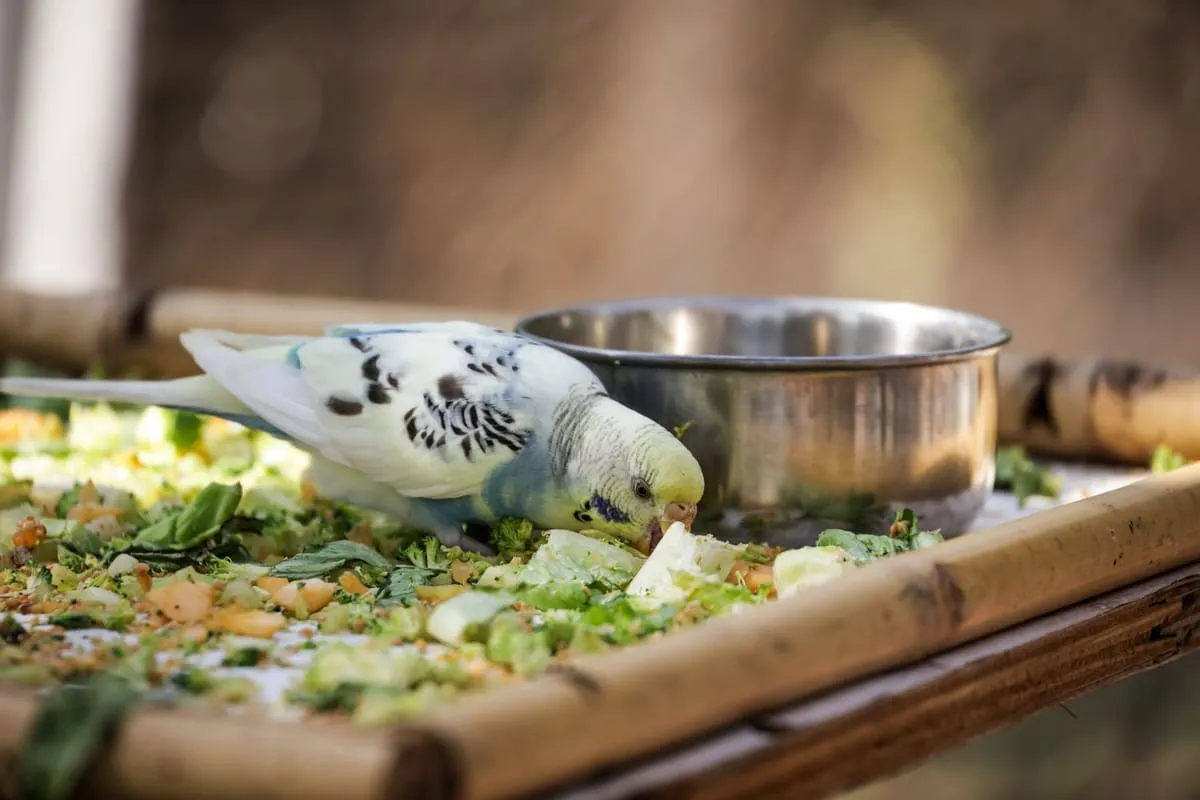
An all-seed diet is the single biggest underlying cause, because seed is low in vitamin A, and vitamin A keeps the lining of the respiratory tract, sinuses, and airways healthy. A bird running low on it develops weakened, more vulnerable airway tissue that lets opportunistic bacteria and fungi take hold far more easily than in a bird eating a varied, pellet-based diet. Our guide to why an all-seed diet is bad for your bird covers this link in more depth. Cold draughts, a cage sited near an air conditioning vent or an often-opened door, and a dirty cage with built-up droppings and dander all add direct stress to the respiratory system. Household fumes are a less obvious but serious trigger: non-stick cookware overheating, scented candles, air fresheners, and aerosols can all damage a bird’s unusually sensitive respiratory system, sometimes fatally in the case of overheated non-stick coatings. Stress and a recent house move can tip things further.
Species differences worth knowing
Not every bird faces the same risk in the same way, and it is worth knowing where your species sits.
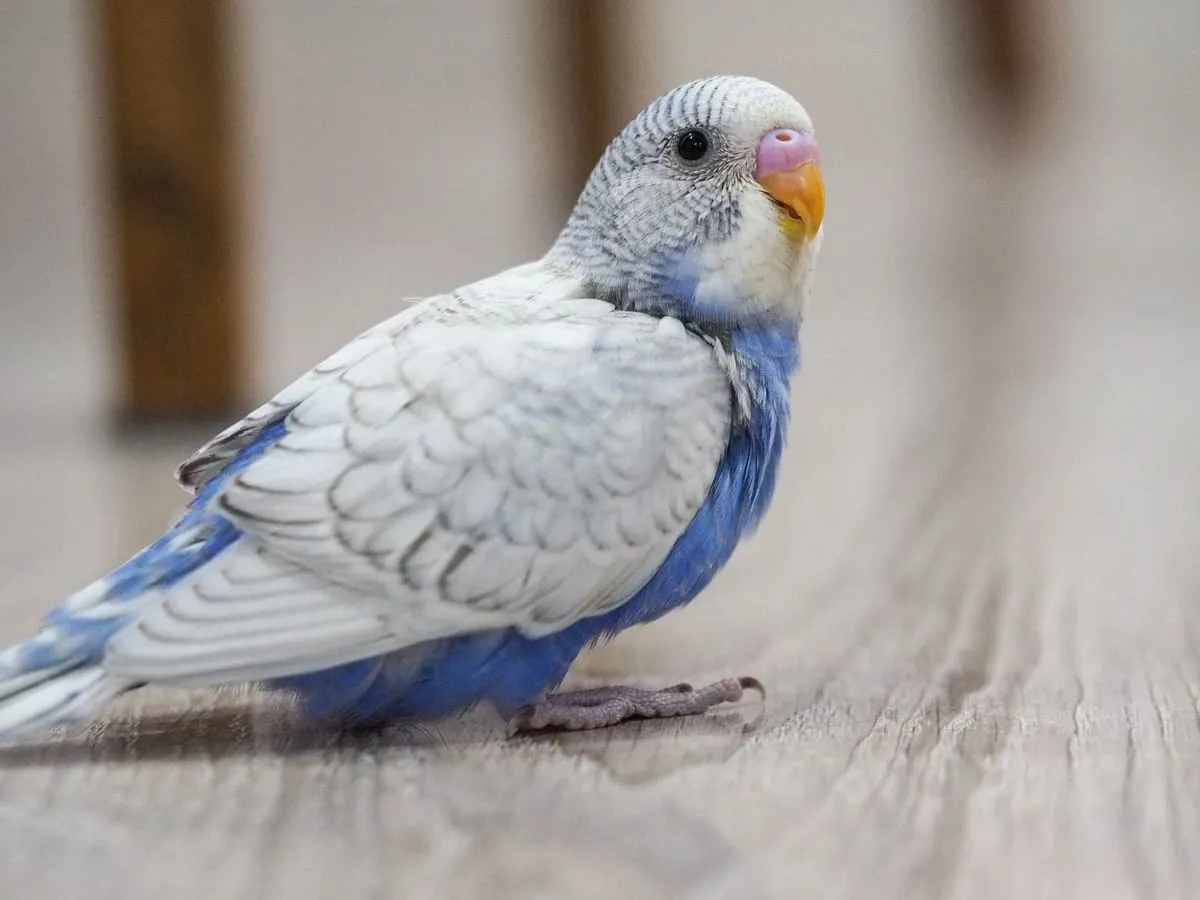
Budgies and cockatiels kept on an all-seed diet are frequently affected, since seed-only feeding is still the most common mistake new keepers make with exactly these species. Our budgie and cockatiel guides both cover the diet side in more detail. Larger parrots, African greys among them, can develop a specific and serious fungal respiratory infection called aspergillosis, particularly when housed in a damp or poorly ventilated space, and this species is also notably sensitive to airborne fumes. Canaries and finches tend to show respiratory distress fast and dramatically once unwell, since they are small enough that a struggling respiratory system leaves little reserve.
When to see an avian vet
While you arrange the visit, keep the bird somewhere warm, quiet, and free of draughts, keep handling to a minimum to reduce stress, and isolate it if it shares a cage or airspace with other birds. A bird-safe cage warmer is a genuinely useful thing to have ready, both for a sick bird that needs somewhere warm to press against and for general cold-weather support, though it is a comfort measure, not a treatment in itself.
Most respiratory infections in birds start the same way, with a low-vitamin-A diet or a draughty, poorly ventilated cage wearing down the airways until an opportunistic infection gets a foothold. Move a seed-only bird onto a varied diet, keep the cage away from draughts and cooking fumes, and treat tail bobbing, clicking, or a changed voice as a same-week vet visit rather than something to monitor for a month. Birds that are otherwise well cared for and get treated early generally recover well, which makes this one of the more frustrating illnesses to see, because so much of it was preventable from the start.
Common questions
- What does a respiratory infection sound like in a bird?
- A soft clicking, wheezing, or squeaking sound with each breath is the classic giveaway, sometimes paired with a change in the bird's normal voice or a faint tail-bob timed to breathing. A healthy bird breathes silently with its beak closed, so any audible noise or visible breathing effort is worth taking seriously.
- Can I treat a bird respiratory infection at home?
- No. Birds hide illness well and decline quickly once signs are visible, so any breathing change needs an avian vet, usually for antibiotics or antifungals chosen for the specific cause. Warmth and a calm, low-stress environment support a sick bird while you get there, but they do not clear an infection that has already taken hold.
- What causes respiratory infections in birds?
- A poor diet low in vitamin A, particularly an all-seed diet, is one of the biggest underlying causes, since it weakens the lining of the airways and sinuses. Cold draughts, a dirty or poorly ventilated cage, and household fumes such as non-stick cookware, scented candles, or aerosols can all trigger or worsen a respiratory problem. Stress and a recent house move can also be a factor.
- Is a bird respiratory infection contagious to other birds?
- It can spread between birds sharing a cage, airspace, or food and water dishes, and some underlying causes, including certain fungal and bacterial infections, spread readily between birds in the same household. Isolate a sick bird from others while it is unwell and being treated, and mention your full setup to the vet.